
Your digital growth
partner in Africa.
 Market entry
Webvelopment helps Chinese business teams connect African market-entry planning with websites, bespoke development, marketing and creative work, starting with a defined South African brief.
Give your first African buyer a clear next step.
A translated brochure is a starting point. Your prospective buyer also needs to understand the local offer, how the product reaches them and who will answer their enquiry.
We help Chinese manufacturers, exporters and expansion teams connect those details through research briefs, market-entry planning, localisation, websites and sales-connected acquisition. Bring one product category, an intended buyer and a candidate country; we can use them to work out what needs research and what is ready to build.
South Africa is our initial focus. Our Kenya, Nigeria, Tanzania, Zambia and Ghana guides help you investigate the next market; they do not represent offices or established country operations. Distribution, product readiness and support need checking alongside the opportunity to attract enquiries.
How we work with you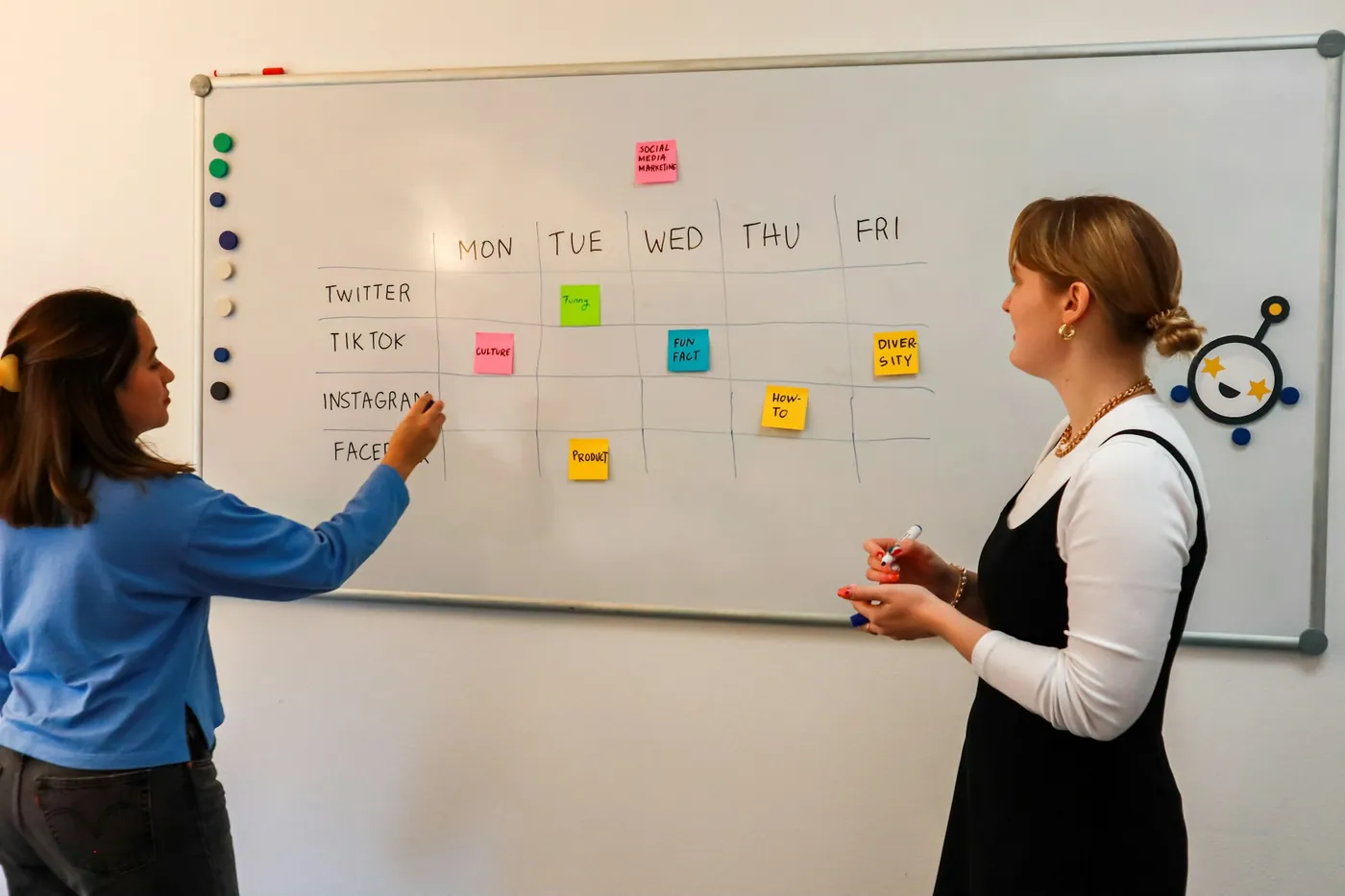
Make the first enquiry useful to your sales team.
Market-entry planning helps define the buyer and offer. Websites, software, campaigns and creative work then give that buyer the information and contact route they need.
For example, a hypothetical equipment campaign could attract both a factory seeking a machine and a distributor seeking a territory agreement. Each needs different information and a different follow-up conversation. We bring those distinctions into the brief before choosing enquiry fields and routing.
Where reliable sales feedback is available, we can review what happened after an enquiry arrived. A submitted form, an accepted lead and a qualified opportunity remain separate measures, so the next decision reflects what your team actually knows.
Explore our services

The proof is
in the work.
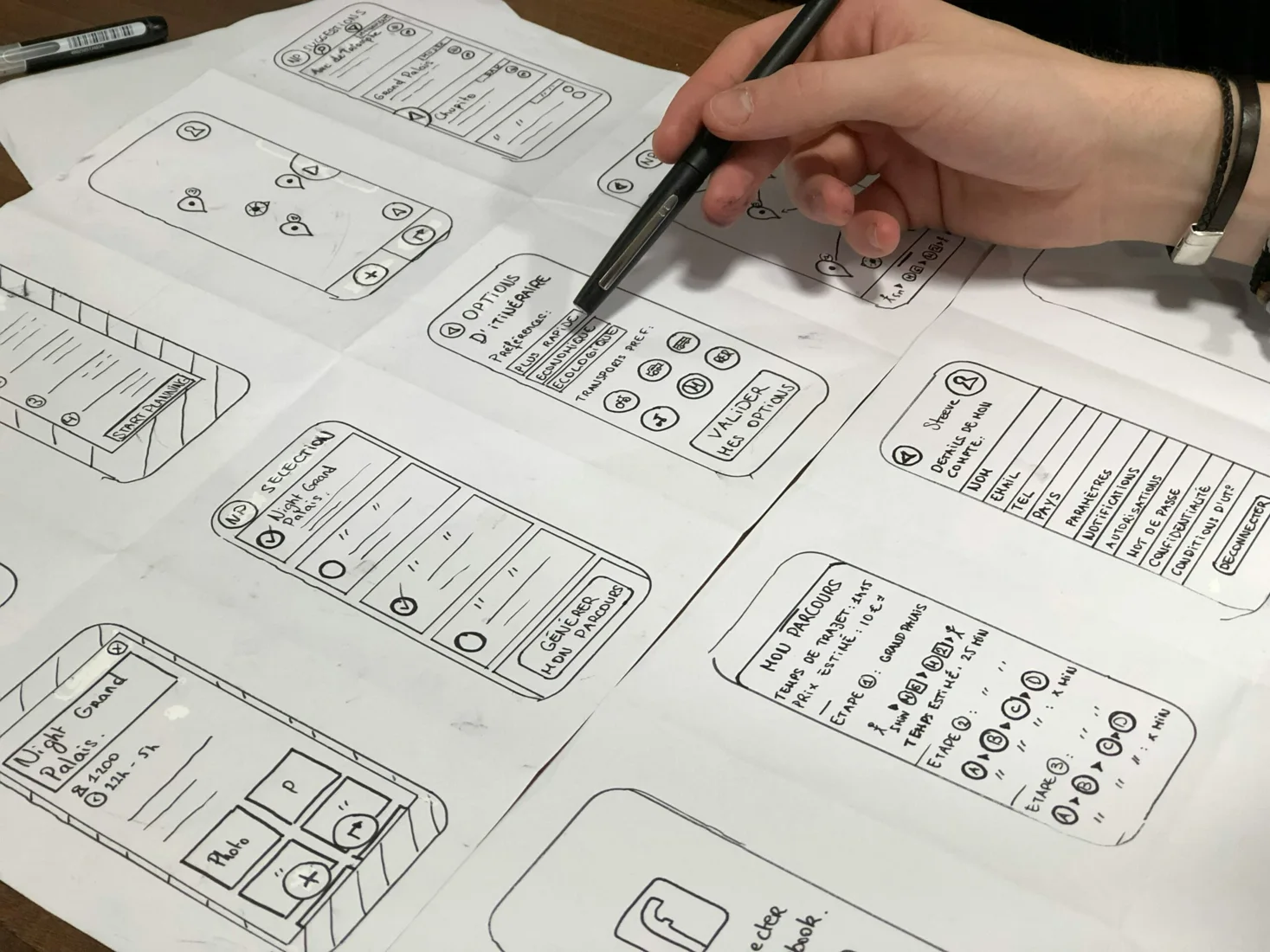
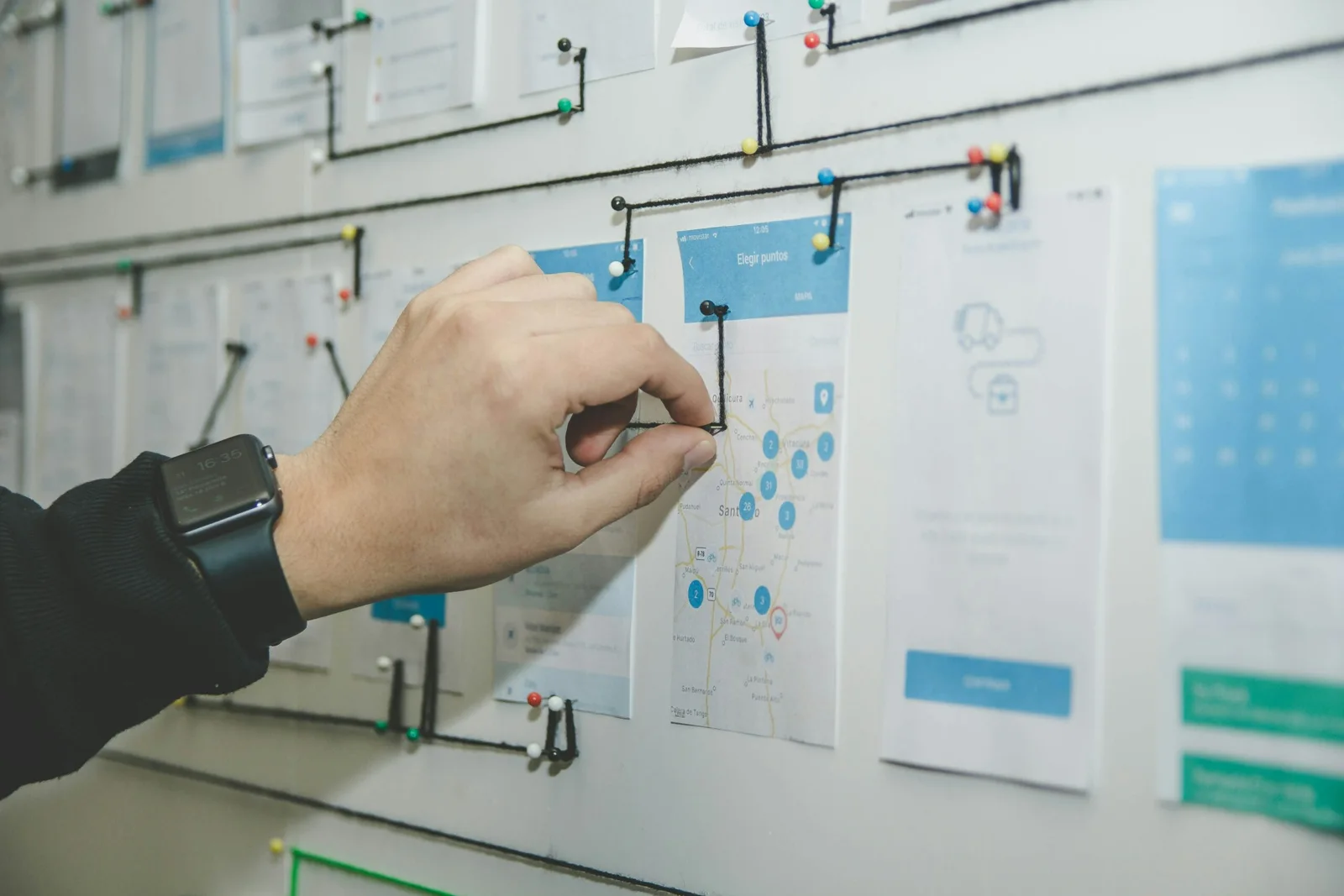
Explore the layouts and interfaces in our recorded website, application, software and creative work. The portfolio does not document China-to-Africa campaign results.
Explore all our work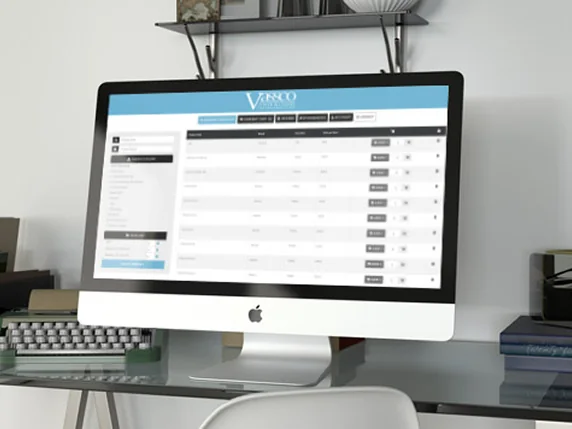 System
Vassco
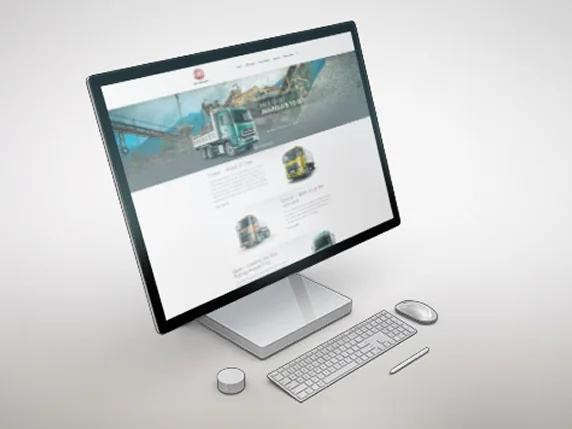 Website
UD Trucks
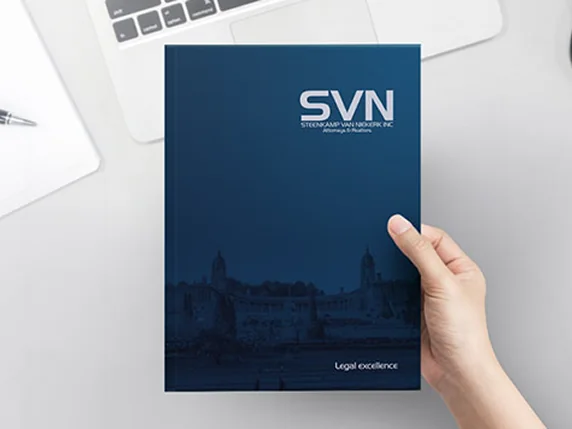 Branding
SVN
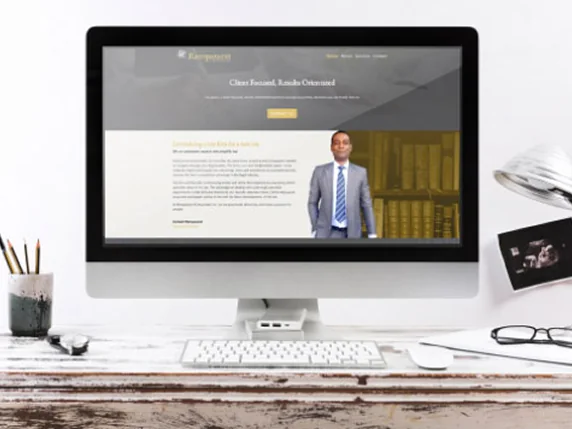 Website
Rampararat
Different challenges.
Connected experience.
- 51
- project presentations
- 6
- in-depth case studies
- 4
- connected disciplines
Market entry needs more than a translated website
Webvelopment helps Chinese business teams connect African market-entry planning with websites, bespoke development, marketing and creative work, starting with a defined South African brief.
We are a South African digital partner. Our China-to-Africa programme helps connect your market questions to the practical work of a launch: the product information a buyer sees, the campaign that brings them to it and the team that receives their enquiry. We start with a particular buyer and country, because the same product may need a different offer, distribution arrangement or support explanation in another market.
Start with South Africa, evaluate the next market
South Africa is our initial focus. Before extending a launch elsewhere, look at what made the first offer workable: who could buy, how the product reached them and who could answer questions after the sale. Interest in a product is useful evidence, but it does not establish a distribution or support network.
Our pages for Kenya, Nigeria, Tanzania, Zambia and Ghana explain questions to investigate before investment; they are not claims of established country operations. Use them to compare the work each candidate market would require, alongside the digital opportunity.
Explore market-entry services, target markets and industry pathways for automotive, renewable energy and industrial equipment.
Make the handoff to sales visible
An enquiry is easier to act on when your sales team can see who is asking, which product interests them and where they need it. We help define those fields and the receiving team before planning acquisition. Where reliable feedback is available, we review marketing performance alongside the quality of enquiries and what happened after follow-up.
For example, a hypothetical industrial equipment campaign might attract both a factory seeking one machine and a distributor seeking a territory agreement. Asking which relationship they want helps route the conversation. Neither submission becomes a qualified opportunity until sales has checked the fit; attention, enquiries and qualified opportunities should remain separate in reporting.
A focused first engagement
Bring one product category, the buyer you want to reach, candidate countries and your current distribution model. Existing product sheets and English material are useful starting points, even if you already know they need work. Tell us which questions are stopping a decision: choosing a country, finding partners, explaining the offer or following up enquiries.
A first stage can turn those questions into a launch scope and a sales handoff plan. We can separate what needs research from what is ready for production, and identify business decisions or specialist advice needed before a wider campaign commitment.
Choose your first decision, then the delivery team
If the buyer and route to market are still uncertain, begin with market-entry planning. If the offer is already approved, use the four delivery disciplines to identify the missing website, software, campaign or creative work. Review the recorded portfolio to see examples of the work itself; country-specific campaign results are not documented there. Introduce one product, one buyer and one candidate country; that is enough to start defining a useful first scope.
Questions before we work together
A few useful answers before you decide.
Should we choose a country before commissioning a campaign?
How is distributor acquisition different from consumer lead generation?
What should our team prepare for a first market-entry discussion?
Do you operate local offices in every African country shown?
Can a localised website reuse our existing Chinese content?
How do you connect marketing enquiries to a CRM or sales team?
Can we use WeChat as the main contact route?
Does this programme include import, legal or product approval advice?
Interfaces with a story behind them.

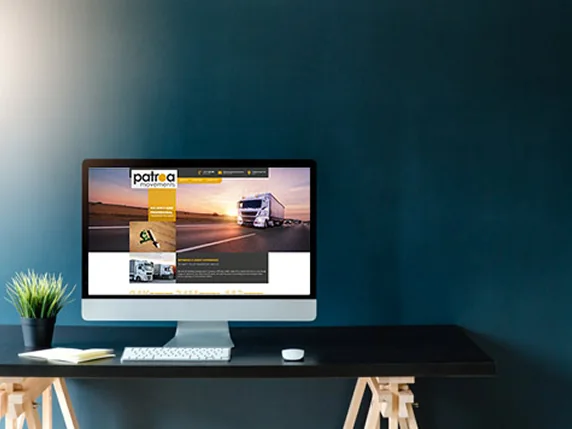
Market entry
Choose a product category and a first country to investigate. Use the findings to decide what a practical launch would need.
Localised websites
Give prospective buyers the product information, local context and contact route they need to ask a useful question.
Customer acquisition
Start with a buyer profile and a clear offer. Agree who will qualify and follow up the enquiries before planning the campaign.
Start a conversation
Tell us what you are working towards. We’ll help you find a practical next step.