
Industrial Equipment RFQ Journeys for Africa
Help African equipment buyers compare approved specifications and send useful RFQs to your China-based sales and technical teams.
Let’s talk
Help technical buyers form a useful enquiry
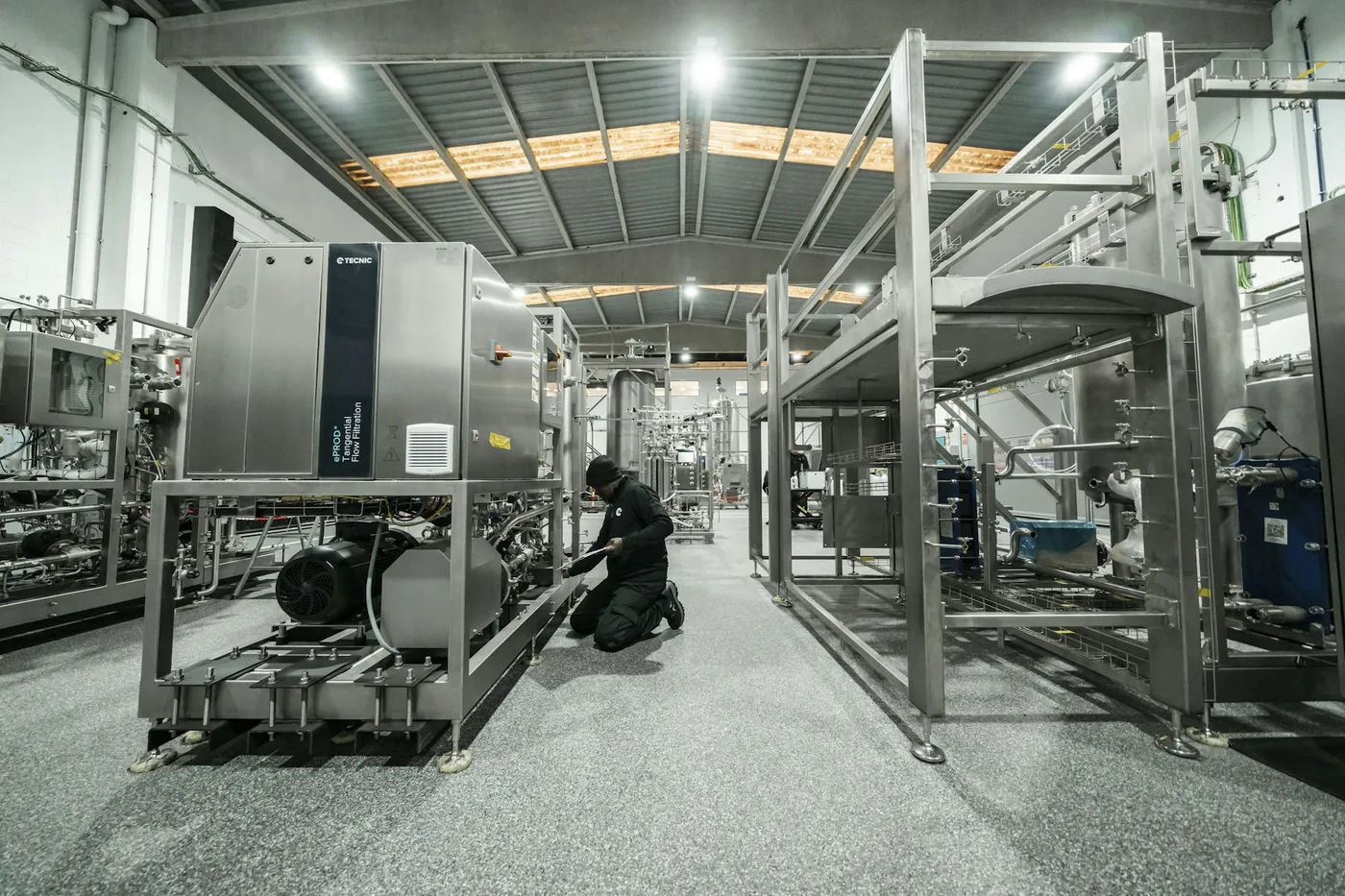
A buyer may know what the equipment needs to do without knowing your model names. Your catalogue should help them describe that job, find relevant specifications and ask for a quotation without guessing at technical answers.
We help Chinese equipment businesses organise that first conversation with African buyers. The aim is to give your sales team enough context to respond usefully, while leaving equipment suitability to the people qualified to assess it.
Structure the information around selection
Start with the specifications, configurations, intended applications and support arrangements your business has approved. We can turn those materials into an application-led catalogue, comparison fields, downloadable documents and an RFQ form. You decide which information belongs on the public page and which needs a private technical exchange.
For example, a proposed packaging-machine catalogue might let buyers compare approved pack-size ranges, machine dimensions and utility requirements. Show the units beside each value and keep each document tied to its model and configuration. If two models use different definitions for a specification, explain that difference before inviting a comparison. A blank field should not appear to mean that a feature is included.
Distributor and direct-buyer enquiries can follow separate routes. An operator asking about a machine for a production line needs different questions from a distributor asking about representing your product range. Drawings, customer process details and sensitive specifications belong in an approved exchange, rather than an ordinary marketing form.
Define what makes an RFQ actionable
For the first product group, start with application, approximate capacity requirement, buyer location and purchasing stage. Let the buyer say “I need help specifying this” where a precise answer would be a guess. A maintenance buyer replacing an existing unit may have a model reference; a team planning a new line may only have an output target and a description of the material it will handle.
Keep that distinction in the enquiry your sales team receives. The request should retain the selected equipment family, model reference if supplied, units and the buyer’s own explanation. Where a required detail is missing, make it easy for the receiving team to ask a focused follow-up question.
We can check the route using a complete request, an incomplete request and an application outside your approved range. The last should reach someone who can assess it, without sending the buyer an automatic message that implies the equipment is suitable.
Keep supply and technical obligations separate
A useful website can explain an offer; it cannot establish equipment availability, import readiness, safety approval or engineering suitability. Your technical and commercial specialists approve those statements, including any location-specific supply or support terms.
Be equally clear in sales reporting. An RFQ means someone has asked for a response. A technically reviewed request, a quotation and an accepted order are different stages, and your team should be able to tell them apart.
See market research for planning the initial audience, or discuss your equipment catalogue and RFQ process.
Scope a product-family quotation journey
Choose one product family for the first version. Bring its approved specification sheets, configuration options, public documents and an anonymised example of an enquiry your team could act on. An example that needed several follow-up questions is useful too: it shows where the page or form could help the next buyer.
For a hypothetical packaging-machine enquiry, the buyer might select a model, describe the product and pack format, enter a target output with units and name the intended installation country. If they have not chosen a model, they should still be able to describe the application. Engineering can request drawings or more detailed operating information later through your agreed channel.
The handover should include the product and document references carried into each request, who receives it, and which answers still need technical review. Check that a buyer can find the right route and that the receiving team can understand the request without reconstructing what was selected on the website.
Agree the minimum information for a useful RFQ
Bring us one product family and an anonymised equipment request. Together, we can identify the questions that help your team decide what to ask next, remove questions buyers cannot yet answer and separate partner enquiries from equipment purchases. Confidential drawings can wait until you have agreed how to exchange them.
Product UX helps buyers navigate selection, while sales integration carries their details into the receiving workflow. Bring an anonymised description of a useful equipment request to shape the workflow.
Industrial-equipment FAQs
A few useful answers before you decide.
What belongs in the first RFQ form?
Can the site help customers compare models?
How are custom requirements handled?
Should distributors and direct buyers use the same route?
Who approves availability and delivery statements?
Can demonstrations be requested online?
How is sensitive technical information protected?
What should commercial reporting distinguish?
Start a conversation
Tell us what you are working towards. We’ll help you find a practical next step.