
Manufacturing Websites for African Procurement
Turn production capability into a buyer-relevant offer.
Let’s talk
Help procurement teams assess a supplier
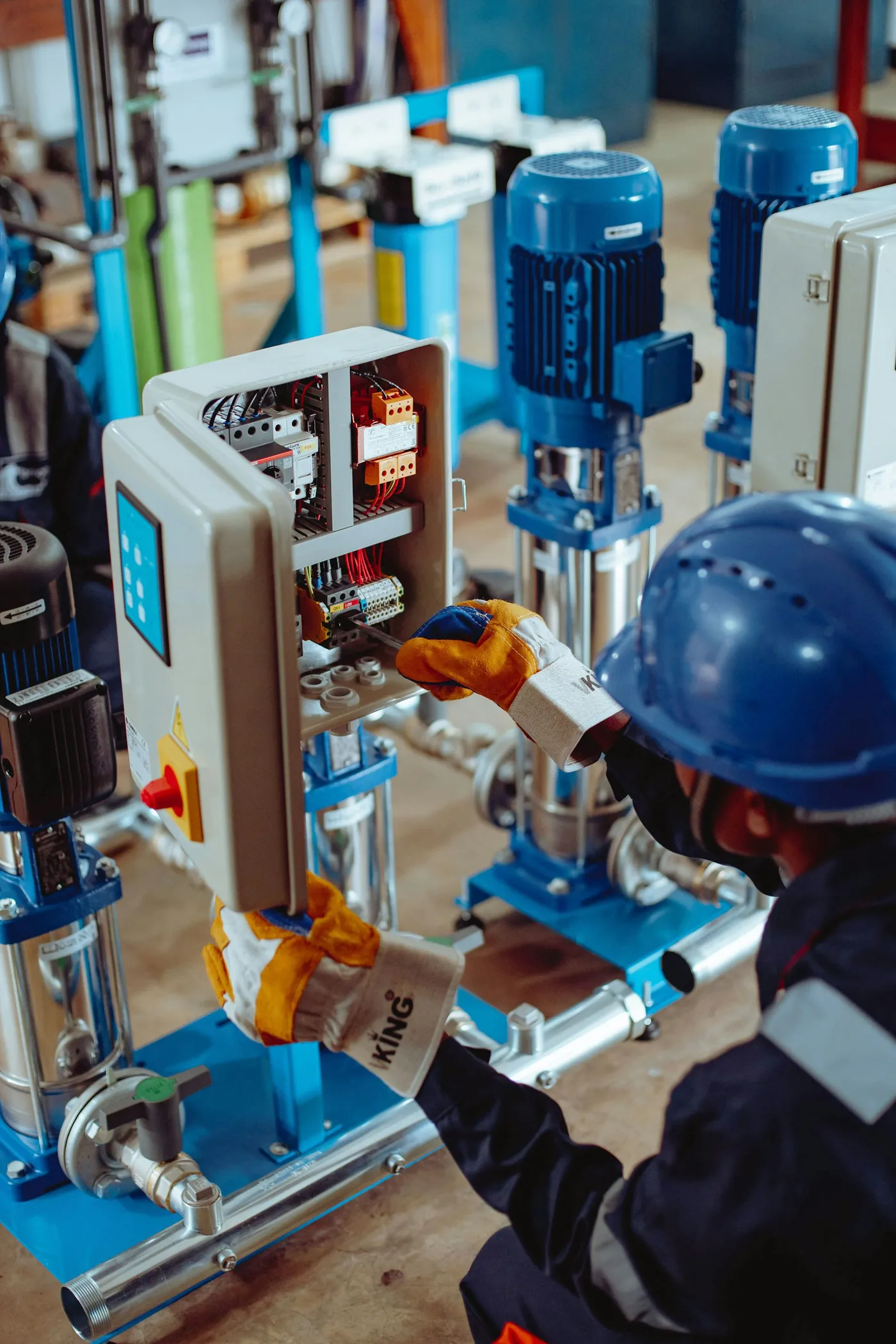
Your factory may describe its strengths by production line or manufacturing process. A procurement buyer starts with a different question: can you supply the component or finished product they need? We help Chinese manufacturing teams present their documented capabilities so buyers considering supply into African markets can assess product fit and ask a useful first question.
Build a capability record that can be verified
Bring the process descriptions, product families, capacity statements, quality documents and export or distribution information your team is authorised to publish. We use those materials to build the capability pages and flag claims that still need your approval. Factory photographs can show equipment and working environments; they cannot prove a certification or a production commitment.
For example, a hypothetical metal-component supplier might group its products by application, then explain the approved materials, processes and dimensional limits for each group. A buyer looking for a replacement bracket could assess those details before requesting a quotation. Publish only the capabilities your technical team can substantiate.
A proposed scope can include those product groups, capability pages, controlled document requests and a request-for-quotation (RFQ) form. We can also explain which requests need technical review before your sales team can price them.
Make the first commercial exchange productive
Ask enough to understand the request: product category, intended application, approximate quantity and whether the person is sourcing for their own operation or for resale. For a finished product, an existing model reference may be useful. For a custom component, the first step may simply be to establish whether your factory handles that type of work. Detailed drawings, intellectual property and sensitive specifications belong in an approved confidential exchange.
When reviewing the proposed site, try a realistic enquiry: a buyer selects a product family, describes its application and reaches the appropriate sales contact with those details attached. Then try a request outside your stated production scope. Your team should be able to identify it for review, and the buyer should understand that submitting a form does not mean an order has been accepted.
Preserve the distinction between marketing and fulfilment
Your commercial team approves lead times, minimum orders, pricing, sample arrangements and delivery terms. Where an answer depends on the specification or order size, say what the buyer needs to provide for a quotation. Country requirements and product approvals need suitable specialist input. The website can make that conversation clearer, but it cannot establish production readiness or guarantee a distributor agreement.
Explore distributor acquisition or describe the manufacturing capability and buyer you want to reach.
Build a capability conversation without exposing the whole operation
You do not need to publish every factory document to help a buyer assess relevance. Start with approved product families, suitable applications and a clear explanation of the supply relationship you want to discuss. A maintenance buyer seeking a finished replacement part needs different information from an OEM buyer seeking manufacture to a drawing.
For example, an OEM enquiry could first describe the part’s function, material and approximate quantity without attaching the drawing. Your team can then confirm relevance and arrange the approved confidential exchange. Before launch, we can work through which claims have supporting evidence, which documents may be shared and who receives each type of request. Technical approval and commercial approval remain separate: a capability page does not reserve capacity or accept an order, delivery date or contract.
Decide what belongs in the public capability record
As a starting point, bring one product family and the questions your sales team needs answered before it can quote. Mark which supporting material is public, which can be shared after review and which must stay confidential. Customer drawings, confidential capacity detail and due-diligence records should stay out of an initial public enquiry.
We can use website design to organise that first procurement conversation; partner acquisition addresses distribution interest separately. Describe the procurement request you want the site to support and which evidence can be shared publicly.
Manufacturing FAQs
A few useful answers before you decide.
Which capabilities should be described publicly?
How do we separate OEM, finished-product and distributor requests?
Can we publish capacity and lead-time figures?
Should buyers upload drawings immediately?
How are quality documents used?
Does the programme include supplier or partner due diligence?
What happens to enquiries outside the production scope?
What should the launch review measure?
Start a conversation
Tell us what you are working towards. We’ll help you find a practical next step.