
Kenya Entry Research for Chinese Exporters
Plan a Kenya entry brief around your buyer, language needs and the team handling distributor or customer enquiries.
Let’s talk
Choose the route to the buyer
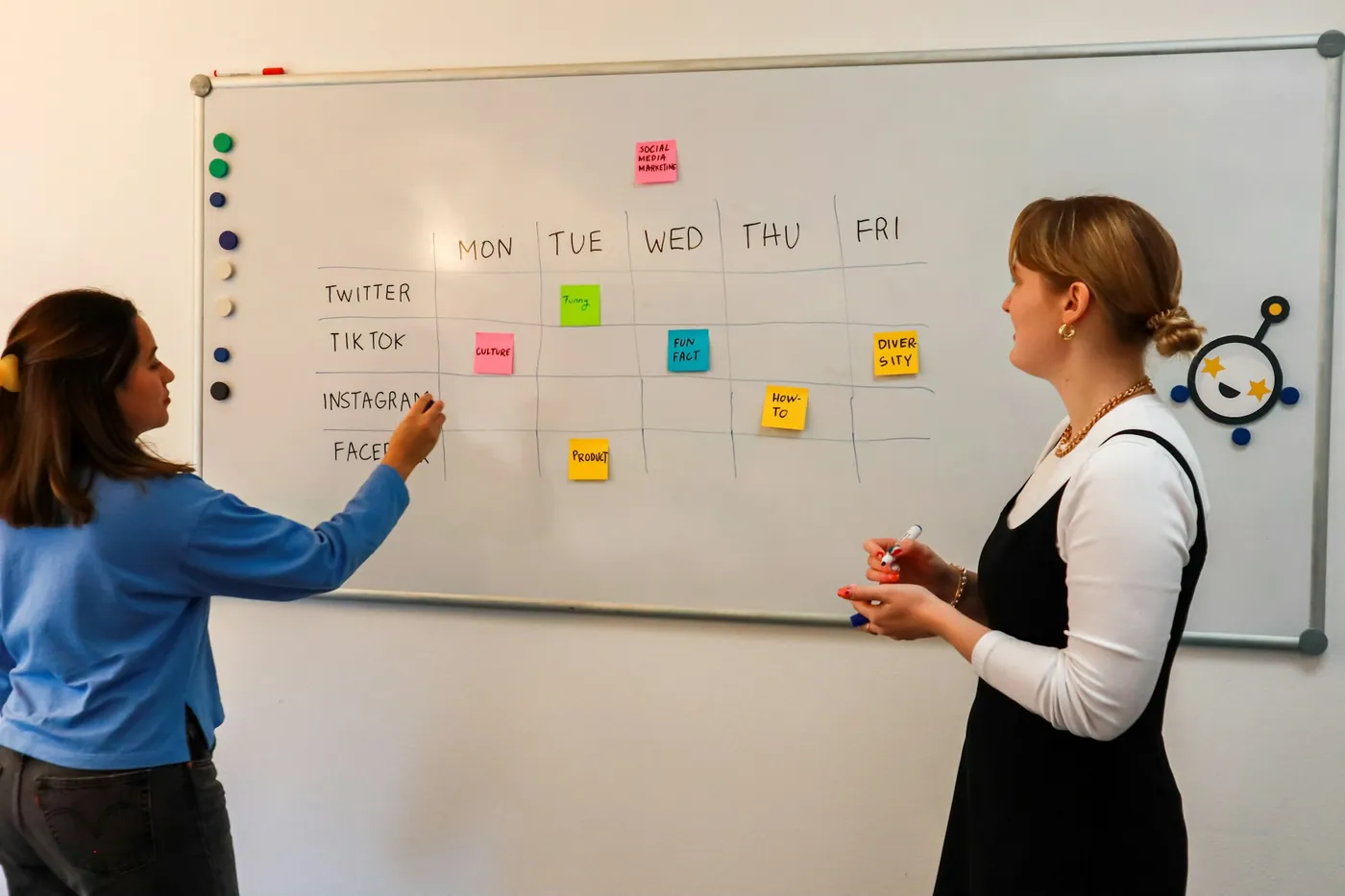
Are you looking for a distributor, or inviting customers to buy from you directly? That choice shapes what your Kenya launch page needs to explain and what happens after someone responds. We start with the buyer you want to reach, the language they use for the purchase and the team that will handle their enquiry.
Research language and partner requirements
The International Trade Administration market-entry guide, published 5 July 2024, discusses local partner options and advises considering Swahili or other local languages in advertising, particularly outside major urban areas. This is context for research, not a conclusion that every audience needs the same translation.
Bring your current product information, the buyer roles you are considering and any questions already received from prospects. We can use those materials to identify what still needs research: the customer’s working language, technical vocabulary and sources of product information. Name someone who can review the meaning for the intended audience, and establish whether a potential distributor could support the product after an enquiry. Answering these questions early helps you decide which content to commission first.
Test a partner-facing journey
For a distributor-led model, explain the relationship you are proposing before asking someone to apply. An initial enquiry might ask which territory they serve, which product they are interested in and what role their business would play. Give someone who wants to buy a single item a separate route, so the commercial team can distinguish a potential partner from a customer request.
For direct sales, settle who would fulfil orders and provide service before implementing a checkout. If those responsibilities are still being assessed, the page needs an enquiry route that accurately describes the current offer. Its buttons and acknowledgement should match what your team is ready to do next.
A decision-ready first output
A scoped engagement can produce a buyer and language brief, an approved order for the page’s key messages and a prototype enquiry journey. Together, these should let your team review who the page addresses, what it asks them to do and who handles the response. Resolve the questions that affect the offer before spending on channels. We do not claim an established Kenya office or verified country operating experience.
Discuss a Kenya validation brief or explore market research.
Background checked: 25 October 2026. Current product and legal requirements require specialist confirmation.
Put the buyer and language decision in the same brief
A proposed Kenya validation phase could focus on one product offer for prospective distributors. Keep the reader, terminology and follow-up together in the brief: who needs to understand the product, which terms need checking and which organisation takes the next conversation. This gives a language reviewer a task to assess, beyond whether individual sentences read well.
For example, a prospective distributor should be able to tell whether the page invites a partnership discussion or offers products for immediate purchase. Ask a reviewer to explain that distinction in their own words, then follow the enquiry through to the receiving commercial team. Check whether the request contains enough product and territory information for that team to respond. These checks apply to your selected audience; they do not establish that a distributor arrangement is ready to operate.
Validate the partner route before adapting the site
Before adapting the site, agree who assesses a prospective distributor, who approves the product explanation and where a partner request goes. Use the Kenya brief to identify what needs checking locally, even if you already have a South Africa launch plan. Market research helps investigate that route; distributor acquisition follows when you can explain the relationship being offered. Share the proposed partner relationship and the questions you still need to answer.
Kenya brief FAQs
A few useful answers before you decide.
Do we need Swahili content for every page?
How do we select the first buyer segment?
What should a proposed distributor confirm?
Can we advertise before the partner is appointed?
What product information is needed for language review?
How is a first enquiry tested?
Which channels should the first test use?
How do we decide whether to continue?
Keep the right things connected.
Africa Market-entry Services for Chinese Teams
Identify what your team needs to learn or approve before committing to an African market launch.
CRM Integration for China–Africa Sales Handover
Give each website enquiry a clear route into your CRM, with agreed fields, sales ownership and a way to resolve failed deliveries.
Start a conversation
Tell us what you are working towards. We’ll help you find a practical next step.