
South Africa Entry Planning for Chinese Businesses
Start with a defined South African offer and sales route.
Let’s talk
Start with the offer that can be fulfilled
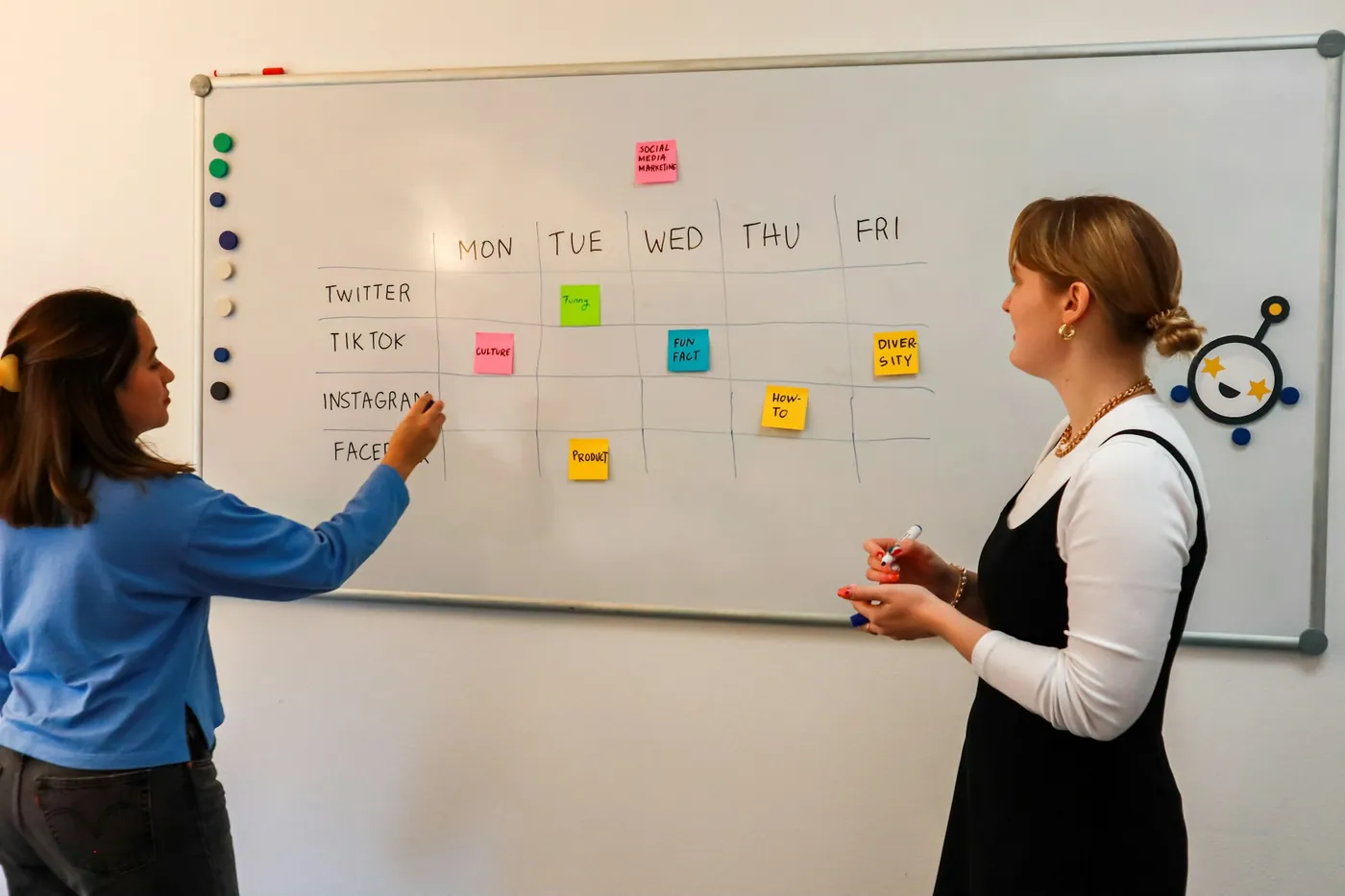
Before we plan a South African website or campaign with you, we need to know what a customer can actually enquire about or buy. Start with the product range you can offer, the buyer you want to reach and the organisation that will handle their request. Those decisions shape the page, the form and the follow-up.
Define the local sales arrangement
The International Trade Administration distribution guide, published 30 June 2026, examines distribution and sales channels. We use it as background for asking who represents the product and how a customer reaches that organisation. It does not establish your own partner readiness.
Bring the name and approved role of the seller or enquiry recipient, the product range cleared for publication and the information your team uses to check availability. If dealers are involved, explain how you assign territories and handle buyers outside the supported area. We can then write contact instructions that match the arrangement you have agreed.
Build one complete buyer journey
Choose one product or model and work through the questions a buyer needs answered: Is this the right version for my needs? Is it offered in my area? Who do I contact next? Prepare approved specifications, an explanation of suitability and a clear enquiry path. Test the form with representative retail, trade and out-of-area requests. The receiving team should see the product, location and type of request without asking the customer to start again.
For example, a trade buyer may ask about several units while a retail buyer asks about one model. Send both test enquiries through the proposed route, along with a request from an unsupported area. Check where each arrives, whether the recipient can identify the buyer’s request and what response is appropriate. Agree who will follow up before opening the page to customers.
Decide whether to expand
Ask the receiving team which enquiries they could progress, which fell outside the offer and which reached the wrong person or went unanswered. Each points to different work: clearer product information, better qualification or a repaired contact route. Use that feedback before adding products or media budget. The channel mix depends on your offer and buyers; we do not promise a fixed lead volume.
Discuss a South African launch or explore automotive planning and digital marketing.
Background checked: 25 October 2026. Product, legal and commercial requirements need separate verification.
A proposed first-country operating brief
An initial South Africa programme could focus on one product range with confirmed local representation. We would use your approved product information and sales arrangement to set out who the page serves, what it can say about availability and how a question reaches the right sales contact. If representation is still being negotiated, the first phase may need to explain and test the partner proposition before advertising immediate supply.
Review consumer and trade enquiries separately, including a request for a product not yet offered locally. The handover should show the approved page content, enquiry destinations and test results, together with any statements still awaiting approval. Your team should be able to see what it can publish today and whom to ask when the product range or sales arrangement changes. A South Africa brief still depends on your confirmation of sales, support and distribution readiness.
Choose the South African first-use case
For a dealer-backed vehicle launch, the test is whether a buyer’s model enquiry reaches the appropriate dealer with enough detail for follow-up. An industrial request for quotation needs information that lets the receiving team assess the equipment requirement. Explore automotive planning or equipment enquiry design for those different starting points. In either case, check that the offer described on the page matches what the recipient can discuss. Share the buyer, supported area and receiving team to define a first South African engagement.
South Africa planning FAQs
A few useful answers before you decide.
What should headquarters confirm before a local page goes live?
Should the first campaign cover the whole country?
How do we distinguish a local seller from an enquiry partner?
Can we reuse Chinese product content?
Which contact routes are useful at launch?
Does digital planning establish local compliance?
What should the first review compare?
Can this become the template for other African markets?
South Africa Entry Planning for Chinese Businesses
South Africa Automotive Launch and Dealer Planning
Plan model information, local dealer handling and a qualified enquiry journey.
South Africa Marketing Plans for Chinese Brands
Connect headquarters approvals, a clear South African offer and sales feedback before choosing campaign channels.
Keep the right things connected.
Africa Market-entry Services for Chinese Teams
Identify what your team needs to learn or approve before committing to an African market launch.
CRM Integration for China–Africa Sales Handover
Give each website enquiry a clear route into your CRM, with agreed fields, sales ownership and a way to resolve failed deliveries.
Start a conversation
Tell us what you are working towards. We’ll help you find a practical next step.