
A Staged Africa Entry Programme for Chinese Teams
Plan a staged Africa entry test around a clear offer, an approved sales route and evidence for the next investment.
Let’s talk
Turn a market ambition into a decision sequence
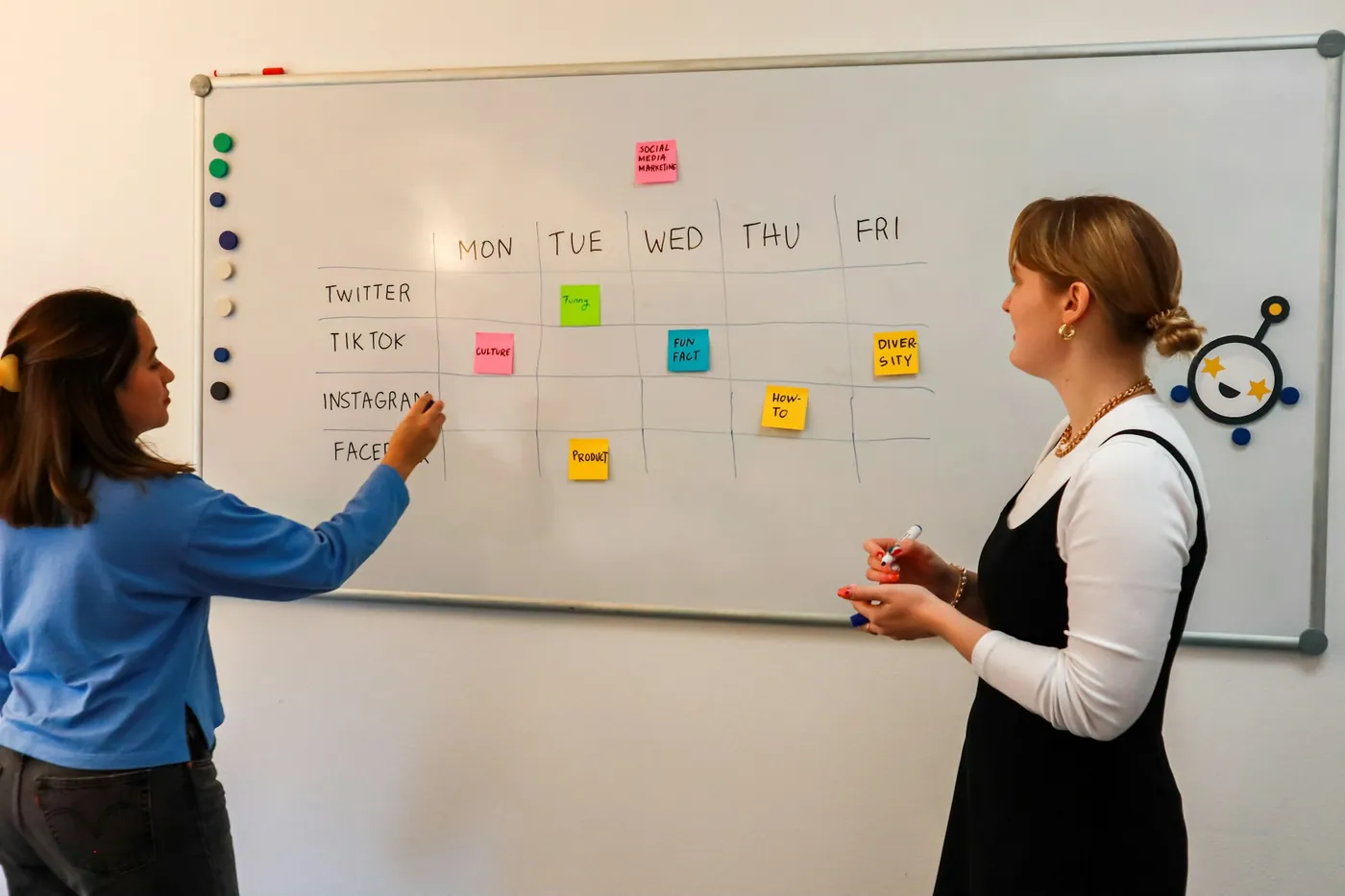
Your expansion team may have a product and a target region before it has a clear first move. We help turn that ambition into a sequence of questions: which buyer to approach, what you can offer them, where an enquiry should go and what you need to learn before investing further.
The proposed programme connects research, positioning, digital delivery and sales preparation around those decisions. You approve each stage separately, with room to narrow the audience, change the offer or pause before a public test.
Establish the entry conditions
Start with the product offer, your current export or distribution model, the limits on the first investment and the person who can approve it. We use those inputs to identify what is known about buyers, competitors, channels and local fulfilment, and where evidence is still missing. Suitable advisers need to address legal, product and trade requirements before those requirements become promises on a page.
A first phase can produce a record of the evidence and its sources, criteria for choosing a market, a buyer journey and a pilot brief. The brief should name the audience, the page or other destination they will see, who receives enquiries and what the test budget covers. It should also state what finding would justify another investment. An attractive market is a starting hypothesis; the brief explains how your team will examine it.
Test one coherent route to market
A pilot might pair one product category with a qualified distributor audience, or one consumer offer with a verified local sales route. Keep the audience, offer and response route connected: a distributor invitation needs a commercial next step that the receiving team can actually handle. Agree how you will check that visitors understand the offer, that enquiries reach the right person and that follow-up can be recorded.
Distinguish a check of the enquiry workflow from a test of market interest. A synthetic enquiry can show that a form and handover work; it cannot show that distributors want the product. A useful review may recommend pausing or changing direction, provided it explains which question the evidence answered and which questions remain open.
Decide what expansion requires
Before the test begins, agree what would support continuing, revising or stopping. Then review the findings alongside your ability to fulfil the offer. Campaign reach alone cannot establish sales readiness, support capability or partner commitment. No local office, regulatory approval or distributor agreement is implied by this proposed digital scope.
Review market-entry strategy or discuss the first country and buying segment you want to evaluate.
A proposed programme with separate approval gates
An illustrative sequence could begin with a buyer and evidence review, then move to an approved offer page and a limited enquiry test. After the review, your team decides whether the evidence is sufficient to prepare the offer. Before publication, you check whether the business can support its wording. Before testing enquiries, you check who will receive and follow them up. Finishing one stage does not approve the next expenditure.
The handover should show the approved material, unresolved questions and the decision each question holds up. For example, an offer page can be ready for internal review while fulfilment arrangements still prevent publication. The next commission may therefore be further validation. Scoping the stages together helps your team see these dependencies and price the work separately.
Approve the next stage using the previous stage’s evidence
Use each handover to brief the next piece of work. Research should explain the chosen buyer and the evidence behind that choice; the offer brief should identify which product claims are approved for the website and campaign. Keep an essential unapproved claim out of publication until the responsible person has resolved it.
Entry strategy defines the chosen route, and sales integration makes the receiving workflow testable. To start, bring the expansion decision and its current dependencies: the country and buyer you are considering, the offer you can support and the questions preventing a decision.
Market-entry programme FAQs
A few useful answers before you decide.
How is the first country chosen?
What does our expansion team need to provide?
Does the programme always include research and campaigns?
Who checks legal and product requirements?
Can a pilot be useful without immediate sales?
How are costs kept understandable across workstreams?
What if the offer is not ready for promotion?
How is expansion to another market reviewed?
Worked example: a distributor enquiry pilot in South Africa
Consider a hypothetical Chinese automotive supplier testing distributor interest in South Africa. The first phase contains one English landing page, a Chinese approval summary, product information approved for that territory and a distributor enquiry route. This is a proposed exercise, not a client launch or a market-size forecast.
| Deliverable | What the reviewer checks |
|---|---|
| Offer page | Product category, intended partner and commercial next step are clear |
| Bilingual review pack | English public wording and Chinese approval notes refer to the same version |
| Enquiry fields | Company, role, country, territory interest and business contact details are sufficient |
| Routing | Distributor enquiries reach the commercial owner; consumer requests get a distinct route |
| Follow-up | Unassigned enquiries remain visible to a fallback owner |
| Acceptance | Synthetic enquiries preserve source, language and assignment without promising a sale |
Before execution, check the actual product’s import and advertising requirements, local warranty and support arrangements, partner permissions and approved commercial claims against current primary sources. This example introduces no unverified local statistics or claim of regulatory approval.
Relevant experience is described in the founder’s selected professional engagements, with personal contributions distinguished from Webvelopment contracts. Automotive lead-generation planning and website-to-CRM integration explain the connected delivery decisions. Discuss a South African distributor pilot with the product, intended partner and receiving sales owner.
Keep the right things connected.
Africa Market-entry Services for Chinese Teams
Identify what your team needs to learn or approve before committing to an African market launch.
CRM Integration for China–Africa Sales Handover
Give each website enquiry a clear route into your CRM, with agreed fields, sales ownership and a way to resolve failed deliveries.
Start a conversation
Tell us what you are working towards. We’ll help you find a practical next step.