
Connected engineering.
Across European markets.
 Software development


Webvelopment provides English-language software and website delivery from South Africa for European teams. Define the responsible market, product owner and approval process before combining multiple audiences or local content requirements in one programme.
One delivery process. Room for local market decisions.
European projects often involve more than one team or market. The technical delivery can be shared while content, commercial and specialist decisions remain with the right people.
We help structure implementation around a common backlog, reviewable work and the information each stakeholder needs. That can mean extending an application, supporting an agency or coordinating a website programme with multiple content owners. The brief should show what is shared and what varies by market.
English is the proposed working language. We do not imply support for every European language or a blanket legal-compliance service. Translation, privacy, contracting and data-transfer questions require the relevant reviewers and approved arrangements for the actual engagement.
How we work with you
A practical engineering partner, with visible boundaries.
Choose an engagement around the required decisions and outputs, not a generic promise of interchangeable capacity.
The development programme covers defined application and integration work. Website delivery connects structure, content and maintainability. Dedicated or white-label arrangements identify who assigns priorities, approves releases and communicates with each stakeholder.
Shared documentation helps when country teams review different parts of the same system. We record assumptions, acceptance examples and market-specific content dependencies so a missing translation or commercial decision does not appear later as an unexplained engineering delay.
Explore our services

The proof is
in the work.
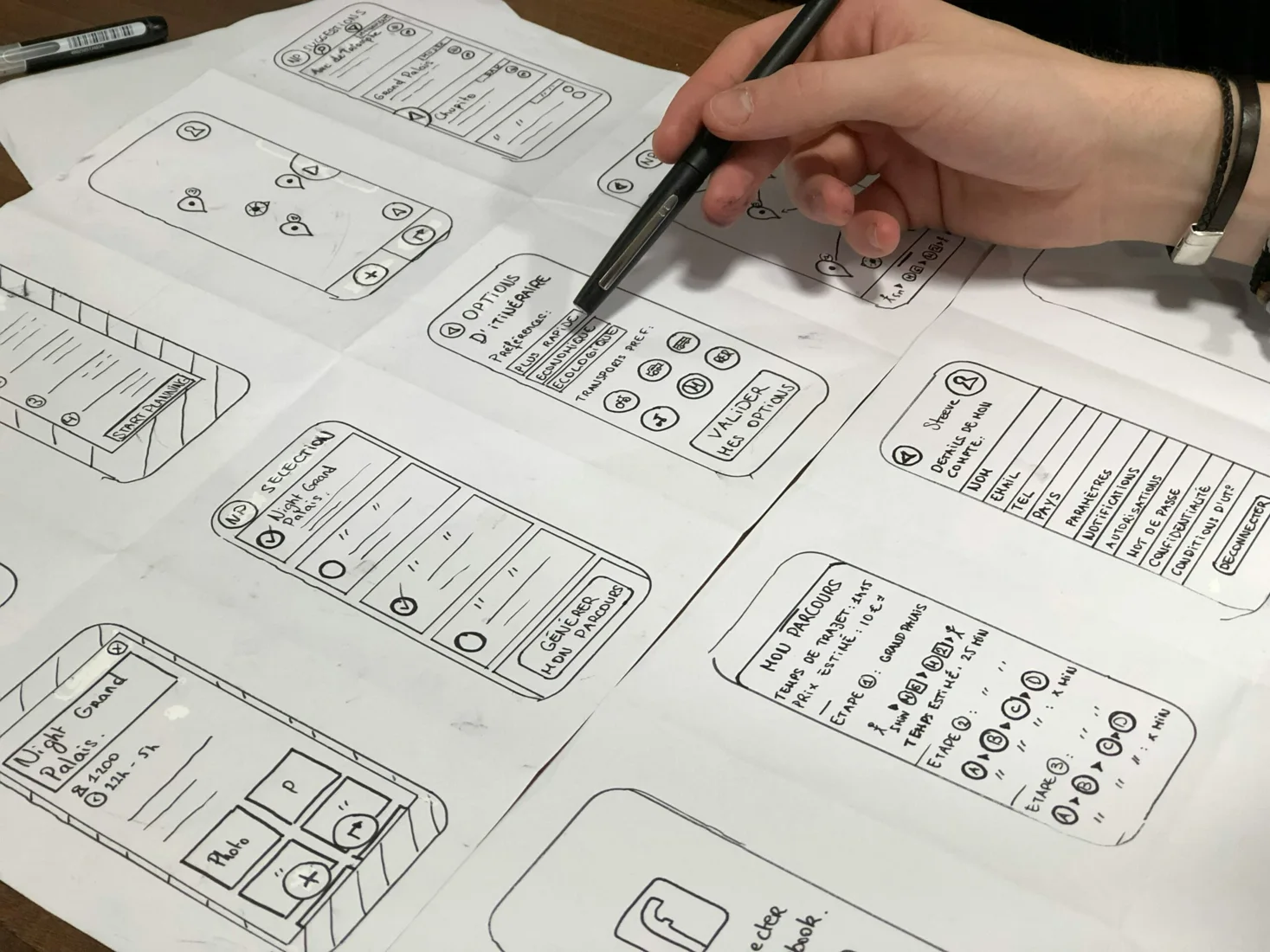
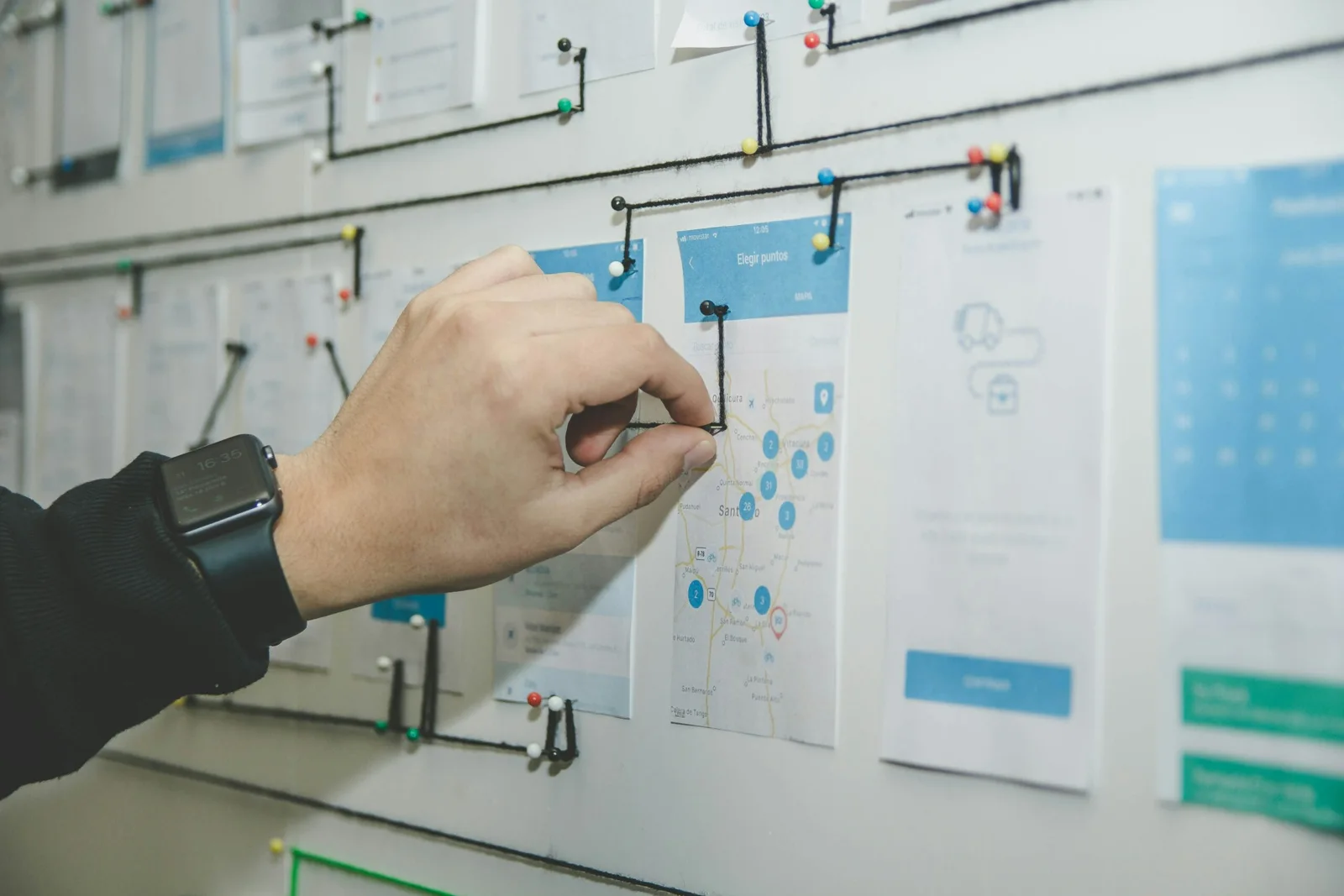
Explore genuine presentations from the existing Webvelopment portfolio. The archive shows recorded work without asserting unverified European project outcomes.
Explore all our work

Nero Studio
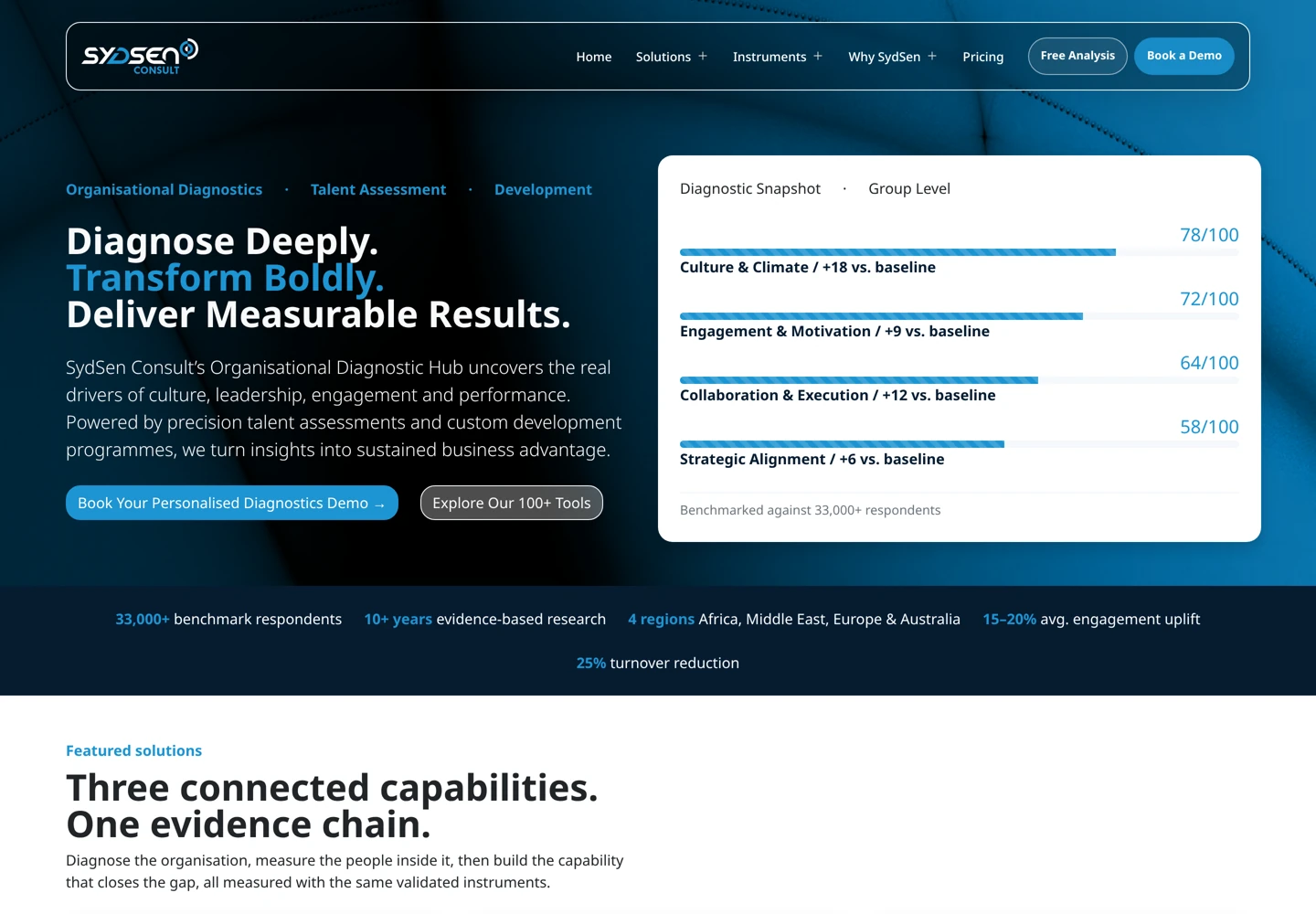
SydSen Consult



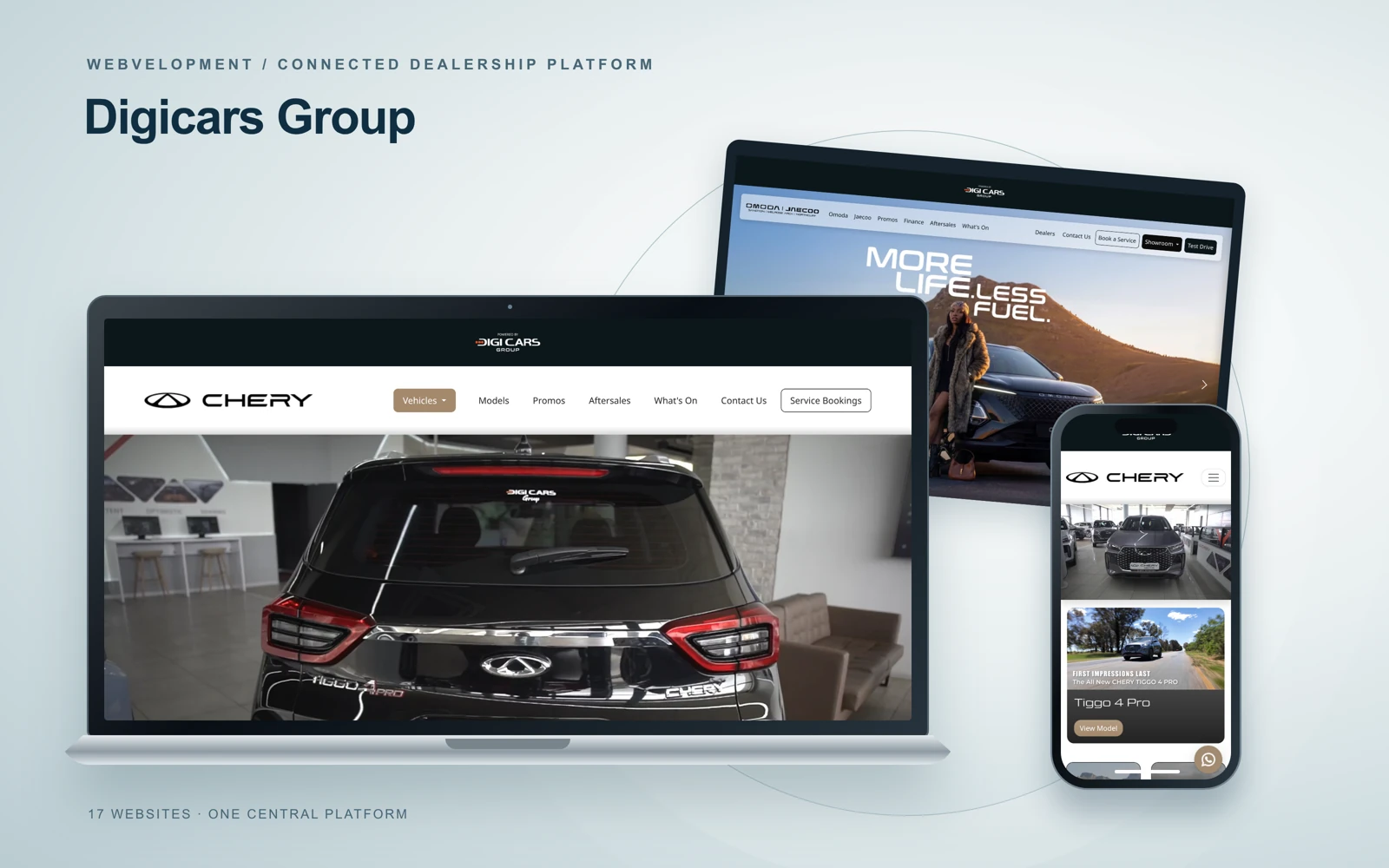
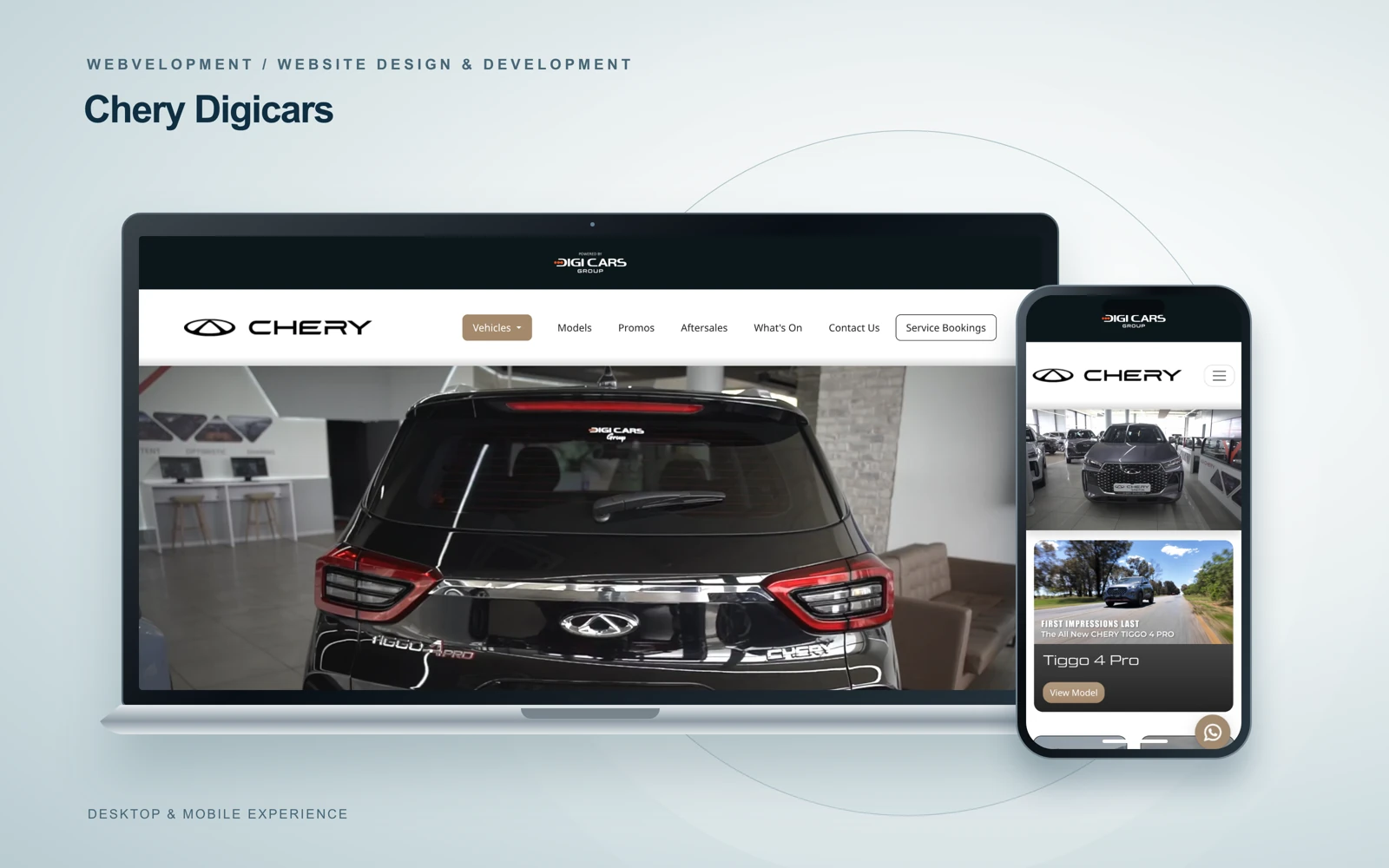
Digicars Group platform
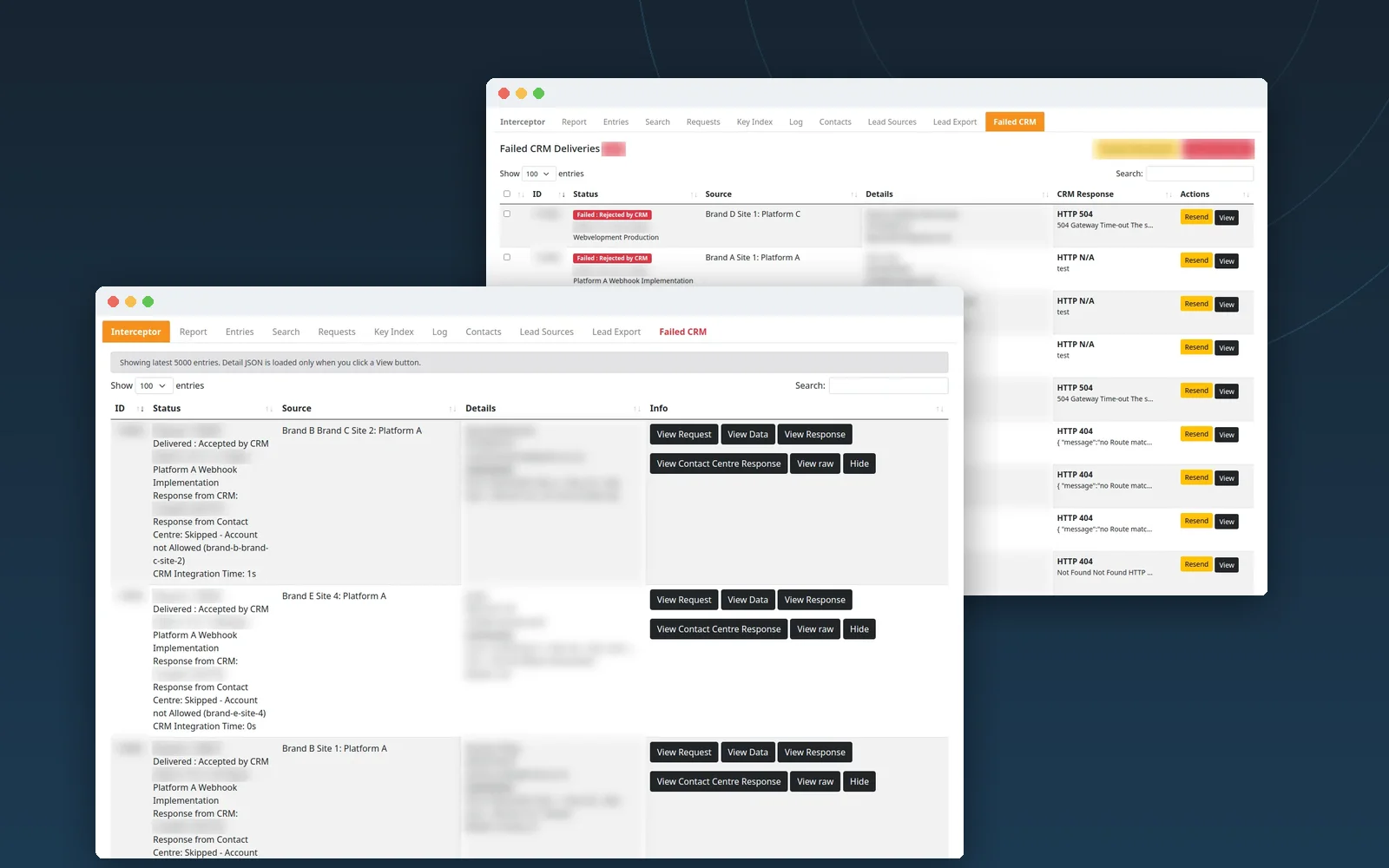 App & software
Digicars Interceptor
Different challenges.
Connected experience.
- 72
- project presentations
- 6
- in-depth case studies
- 4
- connected disciplines
Build across markets without losing technical clarity
When several country teams share a website or application, even a small change can raise different questions. Can everyone use the same form? Who supplies the translated content? Does a local change affect the shared release? We provide software and website delivery from South Africa, with those questions built into the work from the start.
We collaborate in English. Your translators, local content reviewers and legal advisers handle the decisions that need their expertise. Together, we identify where their input affects implementation, so a finished template is not mistaken for a market-ready page. Europe includes different languages, jurisdictions and audiences; the project needs to reflect the markets you actually serve.
One technical foundation, deliberate local decisions
We can help with business websites, custom software, PHP applications and integrations. A shared platform can reuse templates and application logic while allowing differences in content, permissions and forms. The useful starting point is to name those differences, rather than leave developers to discover them during a review.
For example, two market teams might share an enquiry-page template but need different text, fields or recipients. We would establish which parts belong to the common template and which each market can change. Reviewers can then check a representative page for each market, including where its enquiry goes, before approving the wider rollout. This is an example of how to frame the work, not a claim about a previous project.
For agencies, we can work behind your client relationship. For internal teams, we can implement an agreed backlog or scope a defined technical project. In either case, we agree who makes architecture decisions, approves local content and authorises production changes.
Make the operating model visible
Tell us which teams will participate, what they need to review and how work reaches production. We can then agree working sessions, asynchronous handover, access, feedback and an escalation route. Meeting times and delivery capacity need to be discussed for your actual team; they should not be assumed from the countries involved.
Privacy, procurement and contracting requirements belong in that early discussion with your responsible advisers. A useful initial brief describes the systems involved and the information they exchange without including production personal data or credentials.
Start with European development services, dedicated capacity or a focused multi-market website programme. A first engagement with a defined task and review process can help both teams assess how they work together. Tell us which markets and systems are involved.
Choose the market decision that needs implementation
Start with one task a person needs to complete in one market. That might be publishing an approved page or sending an enquiry to the right team. Identify what the central team approves, what the country reviewer supplies and what must be checked before that task is ready to use.
That gives us something concrete to scope and demonstrate. It also exposes missing inputs: a shared template can be ready while one market still needs a translation or local review. We can plan around that difference without treating every country as an identical copy. Language, legal review and operational requirements are agreed for each market included in the engagement.
Compare the regional delivery routes · Discuss this delivery requirement.
Questions before we work together
A few useful answers before you decide.
Can one technical delivery support several European market teams?
Which language would we use for project communication?
How should privacy and data handling enter the technical brief?
What changes when the engagement is white-label?
How do you avoid conflicting reviews from different stakeholders?
Can an integration be delivered separately from a wider platform rebuild?
What commercial factors should we compare between suppliers?
What should a handover give our internal team?
Interfaces with a story behind them.

Software development
Follow one business task through the application and identify what the people using it need to do next.
White-label delivery
Agree how we work behind your brand, who reviews the changes and who can authorise a release.
Dedicated capacity
Start with the stack, backlog and review arrangements. Discuss working-hour overlap for your actual team and location.
Start a conversation
Tell us what you are working towards. We’ll help you find a practical next step.