
Digital tools for industrial equipment sales
Help buyers compare equipment, explain their application and reach the person who can assess it. We can organise your catalogue and quotation route around the information customers need and your technical team can maintain.
Let’s talk
Support a considered purchase
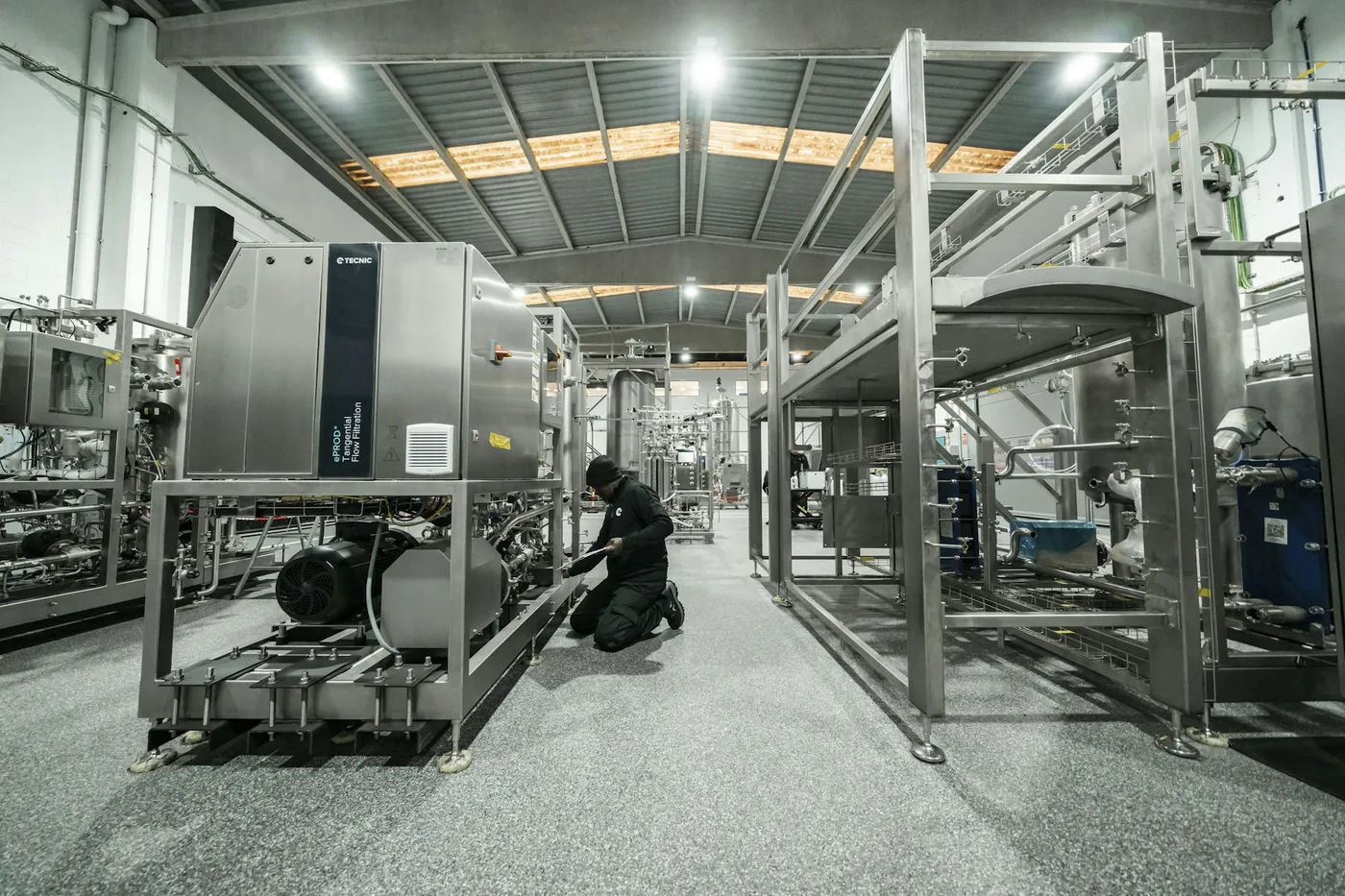
Your customer may be researching a product, checking a requirement with a colleague or gathering information for procurement. They need to understand what the equipment does, which details to compare and when to speak to someone with technical knowledge. Photographs help them recognise a range; specifications and application content help them decide what to ask next.
We help equipment suppliers organise that information and build a practical route from research to enquiry. Depending on your range, the work might include a structured catalogue, approved document downloads and a form that sends the request to the appropriate person. We start with the questions your technical sales team needs answered before it can respond usefully.
Organise around the buyer’s task
How does a customer narrow the range: by application, capacity, material, operating environment or another attribute? We work through representative products with your technical sales team before choosing categories and filters. An internal stock code may matter to staff while telling a first-time buyer very little.
For example, a visitor may know the material they need to handle but have no model number. An application page could help them find a relevant product family and explain what information to bring to a conversation. That is an illustrative content choice; the correct structure depends on your equipment and the advice you are authorised to publish.
We can make approved specifications readable and easy to find. Your responsible supplier must verify suitability, safety statements, certifications and installation requirements. Make that distinction clear on the page so a customer can see which facts are published and which questions need a specialist’s assessment.
Capture enough context for a useful response
A technical enquiry may need the intended application, required specification, quantity, location and project stage. We help you decide which details belong on the first form and which can wait for a sales discussion. Someone who is still researching should be able to explain what they know without inventing a specification to get past a required field.
The work can include:
- Product categories and a consistent set of fields for each range.
- Technical document libraries with someone responsible for each revision.
- Quote-request forms with the information needed to assess and route a request.
- Separate routes for distributor, service and product enquiries.
- Assessment of CRM and catalogue connections.
- Search-focused content answering real buyer questions.
Custom software may help with complex configurations or internal workflows. We would first check what a clearer catalogue and a simpler enquiry form could solve. A useful starting point is one request your team handles well and one it regularly has to send back for more information.
Keep the website connected to operations
Who updates discontinued models? Who approves a revised data sheet? Who receives an enquiry from outside the usual territory? We work through these questions alongside the page and form design, so the people maintaining the site know what to do when the range changes.
For a revised document, for example, decide who approves it, which product pages reference it and what should happen to the previous download. That gives your team a concrete update to check during handover. For an enquiry, agree who first reads it and how they pass it to a technical reviewer when needed.
Reporting should distinguish an initial request from a reviewed requirement, quotation and order. Those stages help the sales team see where further information is needed; a submitted form alone does not establish a verified project.
Discuss your equipment catalogue and enquiry process. Bring an example range, the information customers ask for and the handover that takes the most time.
Test a quotation request against the catalogue
Choose a representative item with several configurations and ask your technical sales reviewer to follow the proposed route as a buyer. Can they find the relevant family, recognise where specification help is needed and provide enough context for a quotation conversation? Use the same item to check the product page, document download and enquiry received by the sales team.
Then try an incomplete request and an obsolete document. For example, what happens if the buyer knows the application but leaves the model blank? Can the receiving person identify what to ask next? If an old link opens a superseded data sheet, is the customer given an accurate next step? These are illustrative review exercises, not claims of past equipment sales results.
The review may point to a better product field, clearer document naming or a different enquiry destination. Agree which questions the digital tools can answer and which still need technical confirmation before deciding whether to build a configurator.
Choose the route for a representative equipment request
Bring one product range and a typical quotation request. Together, we can identify which specifications may be published, what an application enquiry needs to explain and who decides whether the equipment is suitable. That makes the first scope easier to assess against an actual task.
Keep the quotation handover separate from any proposed account or stock connection. A catalogue can need clearer content even when its underlying systems stay as they are. For any integration being considered, identify the information it would exchange and who can confirm access and feasibility. At review, the receiving team should be able to show what it has received and explain its next action.
Industrial equipment project questions
A few useful answers before you decide.
Should equipment be sold through checkout or quotation?
How are catalogue attributes chosen?
Can a configurator be part of the project?
Who approves specification and safety wording?
How should document downloads be organised?
What does useful quotation reporting distinguish?
Keep the right things connected.
Custom Software Development
Plan custom software around the tasks your staff and customers need to complete, with clear rules, permissions, integrations and handover.
Turn distributor interest into a usable sales conversation
Design a distributor enquiry pathway that connects market-facing content, qualification, routing and sales follow-up for manufacturers and exporters.
Start a conversation
Tell us what you are working towards. We’ll help you find a practical next step.