
Digital journeys for renewable energy businesses
Help a homeowner, installer or distributor find the information they need and reach the right person. We can organise your approved product content and enquiry routes around those different conversations.
Let’s talk
Help buyers ask the right questions
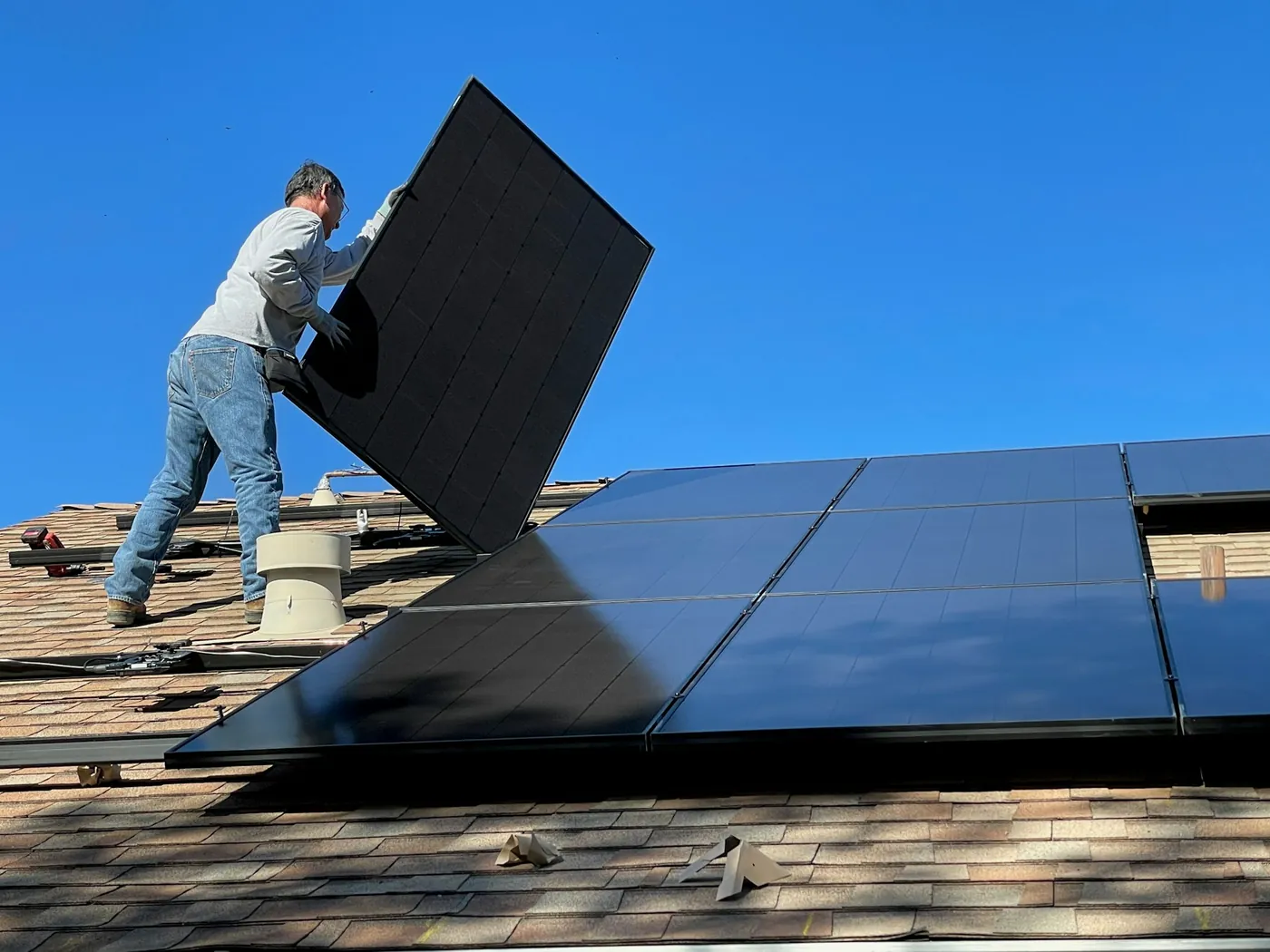
A homeowner comparing options, an installer looking for a specification and a distributor considering your range arrive with different questions. Give each a clear way to continue. Someone who needs help with an existing product should also be able to find the support route without applying to become a distributor.
We help renewable energy businesses organise websites, product content and enquiries around those tasks. You may need clearer product pages, a landing page for one audience, campaign material or a form that gives your team enough context to start a useful conversation. Bring the questions people already ask your sales and technical teams; they are a useful place to begin the content review.
Separate information from technical assurance
Your technical team approves specifications, compatibility statements, installation requirements and product-performance claims. We help readers find and understand that approved information. Engineering credentials, warranties and certifications must come from the responsible business and its evidence.
A useful structure may separate residential, commercial, installer and distributor needs. Each route can explain what you supply, what information you need before a proposal and which parts of a project another party handles. For example, a product page can link to the approved specification and explain how to request a suitability discussion, without presenting a catalogue choice as a completed technical assessment.
Connect interest to a qualified next step
Start with what the person receiving the enquiry needs to do. Location, intended application, project stage and the type of conversation may help them route it. Ask which details are essential now and which a specialist can collect later. If a reader is unsure which product they need, decide how they can explain their situation without guessing a model number.
Possible deliverables include:
- Product information architecture and approved specification presentation.
- Landing pages for a defined offer or audience.
- Installer or distributor enquiry journeys.
- Campaign creative, copy and measurement planning.
- Authorised integrations with enquiry or sales systems.
Match the wording to the areas and customers you can serve. Before promoting a landing page, confirm installation coverage, stock statements and any response commitments with your team. Agree who receives an enquiry outside that scope and what the reader should be told next.
Review the quality of the conversation
Ask sales and technical colleagues what happened after an enquiry arrived. Was it a potential project, a support request, a location you cannot serve or someone still gathering information? Those distinctions help you improve the page and campaign without treating every form submission as an opportunity.
Distributor enquiry systems may fit manufacturers entering a new channel. Business websites may be the better first step when people struggle to understand the offer.
Discuss your renewable energy audience. Share the products, responsible technical reviewers and the kind of enquiry your team can act on. A few representative questions and approved documents will help us discuss where to start.
Review one product family with its real buying roles
For an illustrative programme, choose one product family and walk through an installer enquiry, a distributor discussion and a consumer support request. Check which approved document each person needs, what they should send and who receives it. Then try an exception: a consumer selects the distributor route, or an installer cannot find their model. Decide how your team would recognise and redirect that request.
This exercise can reveal a missing document or an unclear handover before you expand the catalogue. It is a proposed review scenario. Your technical team still confirms suitability and product claims; the digital work helps people find information and reach the right reviewer.
Distinguish product interest from project suitability
A catalogue request, distributor enquiry and site-specific assessment need different information. Make the next step clear on each page: download an approved document, discuss a commercial relationship or ask a specialist to assess the application. Explain who can answer questions the page cannot resolve.
Your marketing copy should reflect that distinction. Interest in a product does not establish engineering suitability, expected performance or a financial return. We can make the available evidence easier to read while keeping technical decisions with the people qualified to make them.
Renewable energy project questions
A few useful answers before you decide.
Should installers and end customers use the same pages?
Can performance or savings claims be included?
How are technical documents kept current?
What should an enquiry form ask?
Is installation or engineering delivery included?
What evidence should inform the next campaign phase?
Keep the right things connected.
Turn distributor interest into a usable sales conversation
Design a distributor enquiry pathway that connects market-facing content, qualification, routing and sales follow-up for manufacturers and exporters.
Renewable-energy Marketing for Chinese Exporters
Present approved energy-product information, separate buyer enquiries and make technical follow-up easier for your China-to-Africa team.
Start a conversation
Tell us what you are working towards. We’ll help you find a practical next step.