
Dealer and automotive brand websites
A car buyer wants to know three things: is this the right model, is there one available, and how do I see it. We design and build automotive websites that answer those questions quickly, for brands launching a range and for dealer groups selling it.

- 16
- dealership websites on one platformThe Digicars Group estate, launched in phases from November 2026.
- 100
- in all four Lighthouse categories at launchPerformance, accessibility, best practices and SEO, on static HTML frontends.
- 4 years
- as Chery South Africa's brand websiteThe base of the brand’s online presence after launch.
Brand sites and dealer sites do different jobs
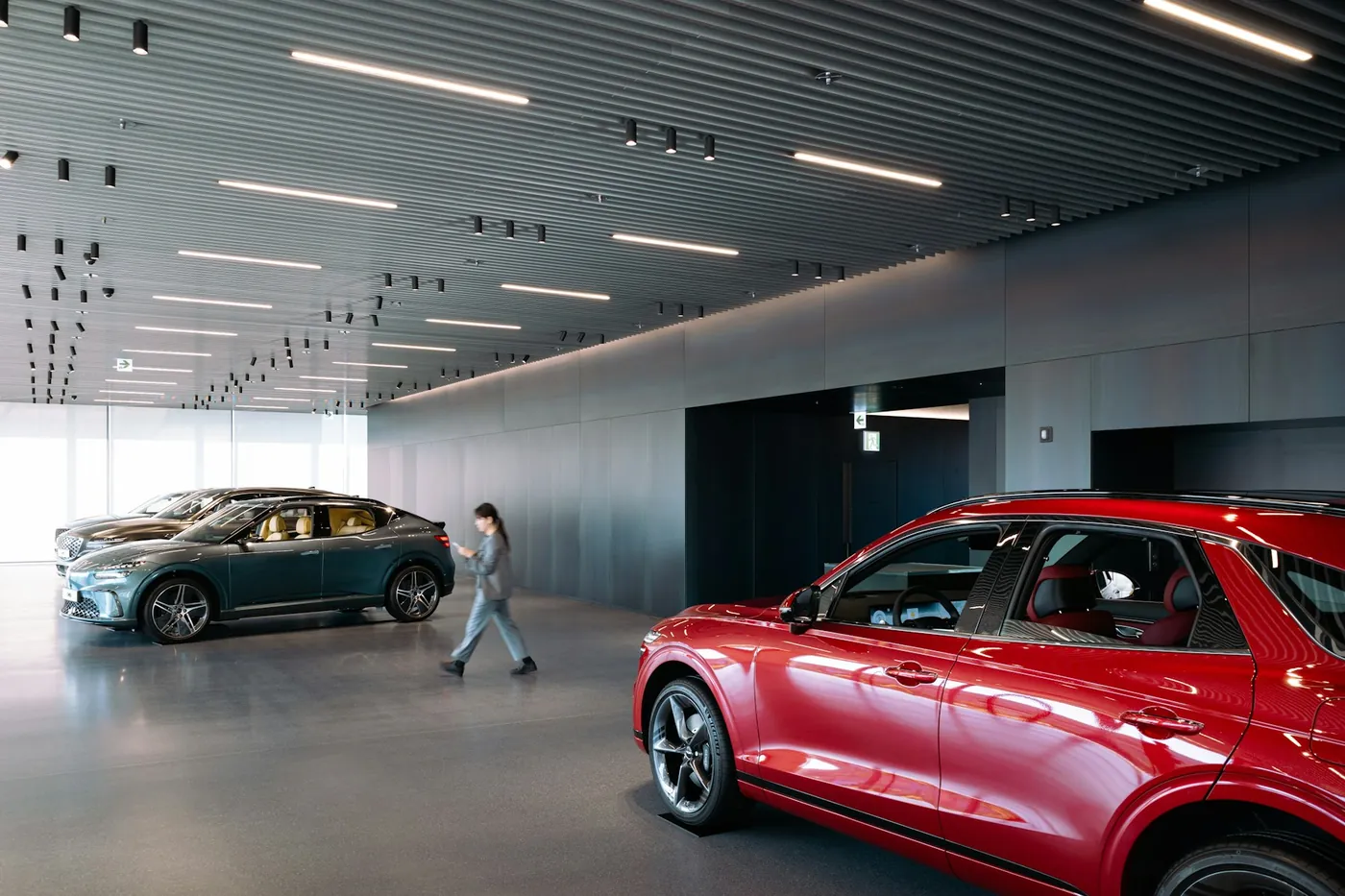
Brand and OEM sites
Sell the range: every model and derivative, the brand’s global look carried faithfully, and a clean handover to the right dealer.
- Model ranges
- Specs and colours
- Dealer locator
- Launch campaigns
Dealer and group sites
Sell the cars on the floor: live stock, local information, finance and trade-in routes, service bookings and enquiries that reach someone at that branch.
- Live stock
- Test drives
- Finance
- Service bookings
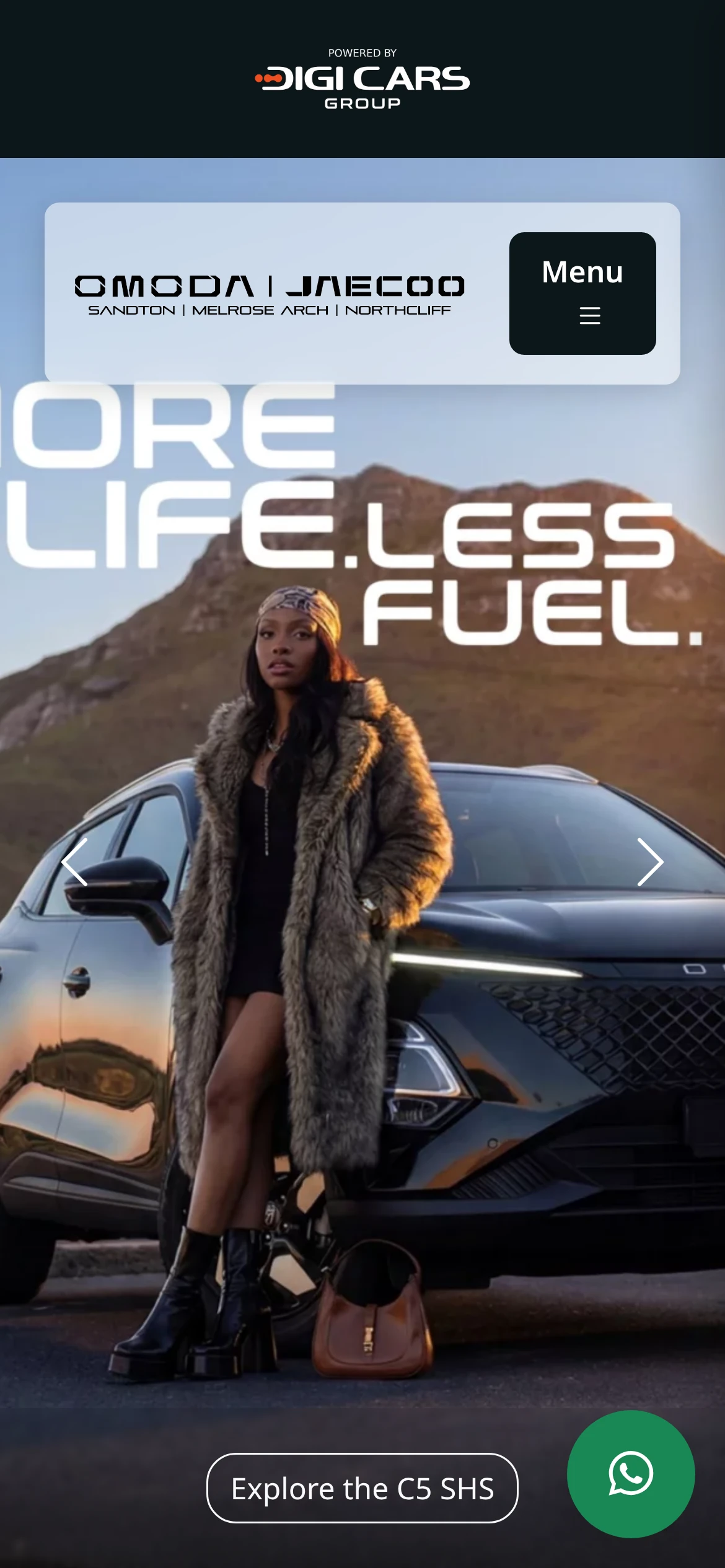
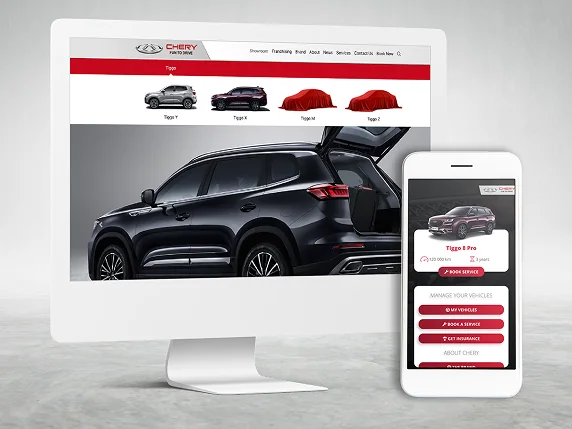
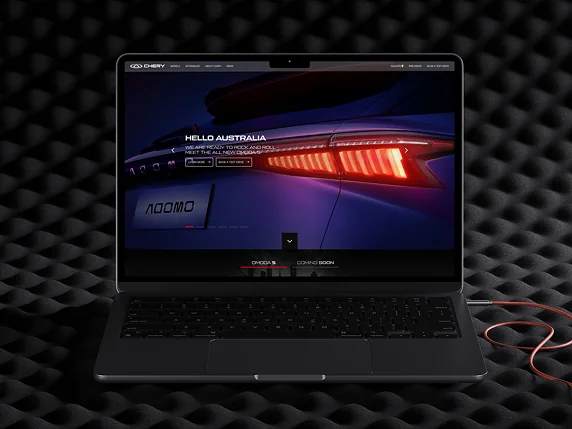
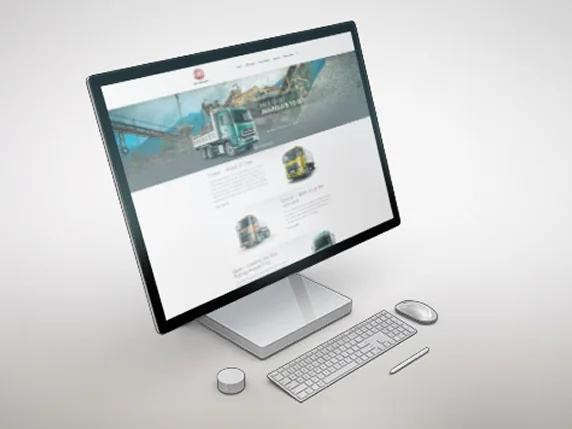
We designed and built Chery South Africa’s website for the brand’s launch, and designed and launched Chery Australia’s site and the UD Trucks commercial-vehicle site. On the dealer side we’ve built single branches such as GWM Pretoria and Haval Pretoria, with our agency partner Starbright, up to whole dealer groups.
One platform for a dealer group
When a group runs many brands, separate websites quickly become separate problems: different suppliers, different stock sources, different forms and no shared view of leads.
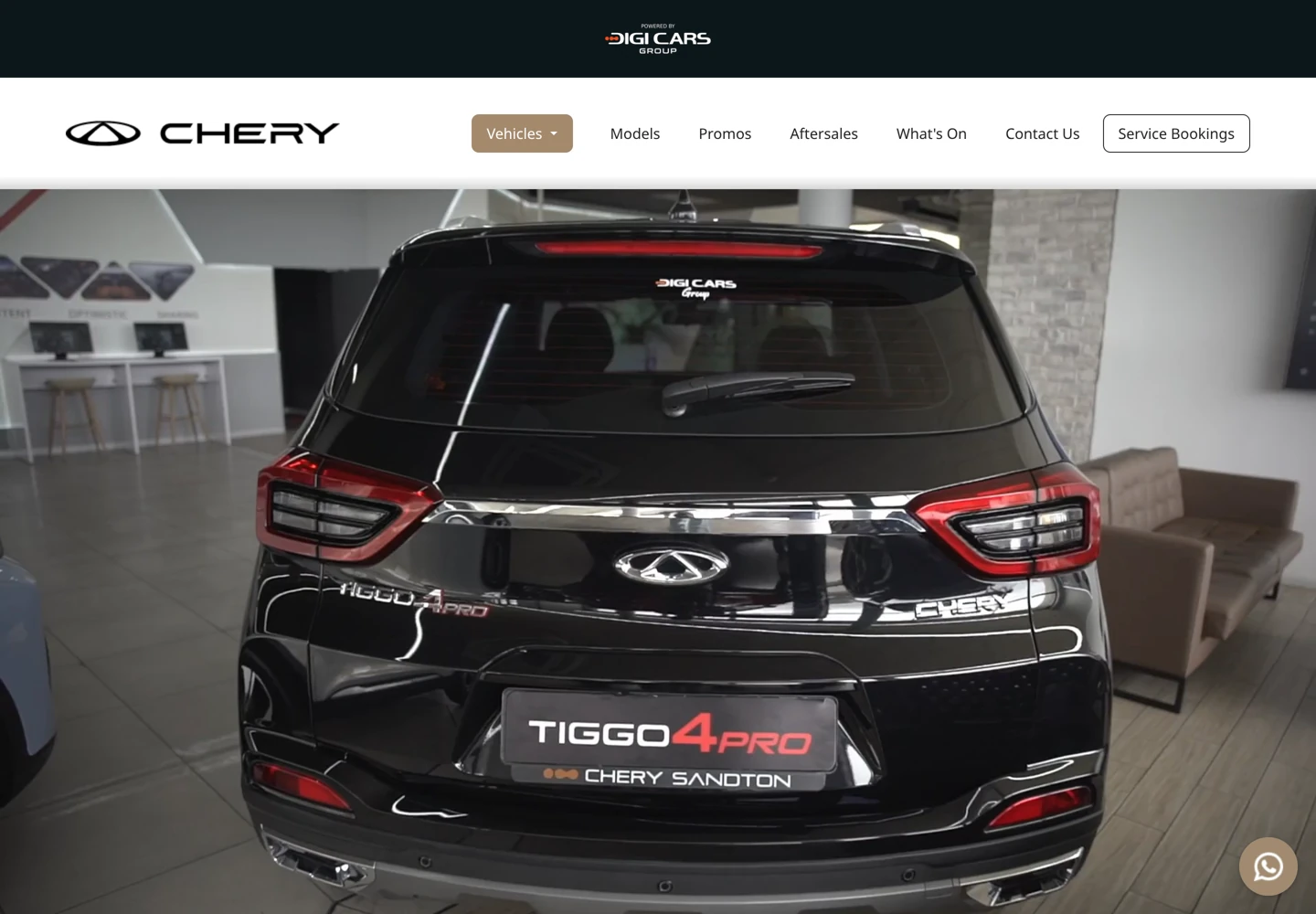
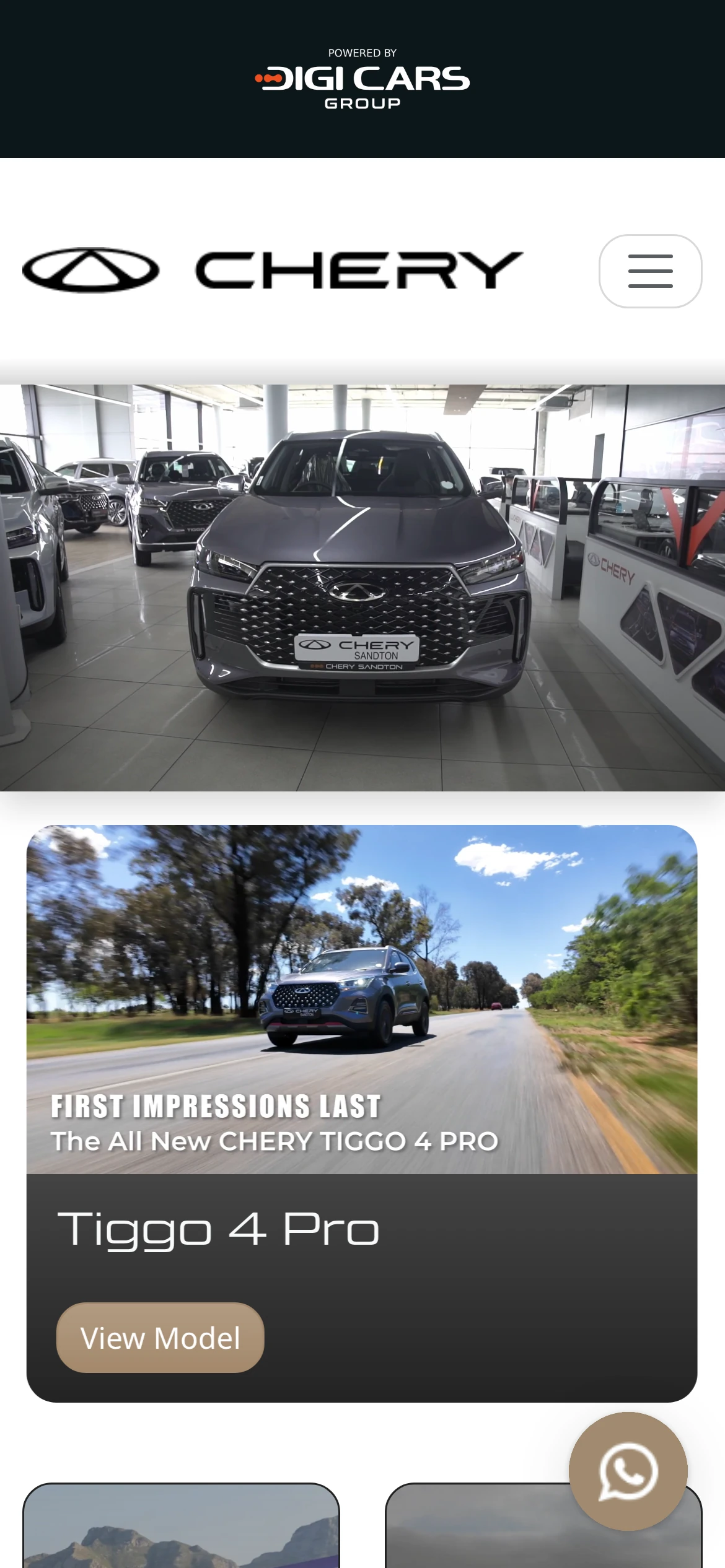 16 dealership websites
The two hard parts were standardising model pages across very different manufacturers, and handling stock from different DMS feeds. Each brand still has its own public identity: for Omoda & Jaecoo, the template system grew into a design system so a dual-brand site could look different without leaving the shared foundation.
Model pages
- Separate websites
- Written and maintained separately, drifting out of date.
- One platform
- One structure for every brand, maintained centrally.
Stock
- Separate websites
- Typed in by hand, or a different feed per site.
- One platform
- DMS feeds connected once, shown everywhere.
Leads
- Separate websites
- Each form emails someone, somewhere.
- One platform
- One endpoint, routed to each dealership’s systems.
Maintenance
- Separate websites
- Every site patched on its own schedule.
- One platform
- One codebase, one update, every site.
What an automotive website needs
- Model pages with ranges, derivatives, specs, colours and prices, structured the same way across brands so they stay maintainable.
- Live stock from the DMS or listing feed, with photos, prices and sold cars handled automatically. See stock feed integration.
- Enquiry routes for test drives, finance, trade-ins and service, each tagged with the model, the dealership and the source.
- Lead delivery straight into the CRM, DMS or contact centre. See DMS & CRM integration.
- Speed and search foundations, because most car buyers browse on a phone and arrive from Google.
- Branch information that’s accurate: trading hours, departments, staff and directions.
Built for search and for campaigns
The Digicars sites are landing destinations for a large paid-media programme, and organic leads make a major contribution to the group’s business. That only works when pages are fast, model content is specific, and each campaign has a page that matches it. We plan SEO and paid media landing pages into the build, not after it.
Beyond the dealership site
Not every automotive website is a dealership. Nero Studio is a premium accessories brand built around two vehicles in the Digicars range, with a filterable catalogue and enquiries that arrive with the product and the buyer’s vehicle already filled in. Accessories, aftersales, fleet and commercial-vehicle sites need the same clarity, with a different next step.
How a website project runs
- Week 1
01 Brand or dealer, and which systems
We agree what the site must deliver and check the stock source, CRM and brand CI before design.
- Week 1–2
02 Model and stock structure
The content model comes first, so model and stock pages work for every brand you sell.
- Week 2–4
03 Design
Figma design within the brand’s guidelines, reviewed with your team.
- Build
04 Build and integrations
A build we’d be happy to maintain ourselves, with stock and lead integrations wired in.
- Launch
05 Test and launch
Forms, feeds and routing tested end to end, then launched.
- Run
06 Maintain and grow
Maintenance, SEO copy and campaign landing pages, if you want them.
Stock, forms and lead delivery are tested end to end before a single campaign points at the site.
What it costs
Basic
R35,700once
Live in about 5 weeks
- Up to 5 pages
- Brand-matched theme with your logo, colours and fonts
- Contact page and enquiry form
- On-site SEO foundations and analytics
- Recommended
Standard
R70,550once
Live in about 6 weeks
- Custom design with wireframes
- About 10 pages and a blog
- CRM or email marketing integration
- Redirect mapping from your old site
Premium
R147,900once
Live in about 9 weeks
- UX-led design with a clickable prototype
- 20+ pages
- Search with filters, multi-step forms and CRM integration
- Accessibility audit and fixes
Stock feeds and lead integrations are scoped separately; multi-dealer platforms are priced in the web application calculator.
Price your websiteAutomotive websites we’ve built
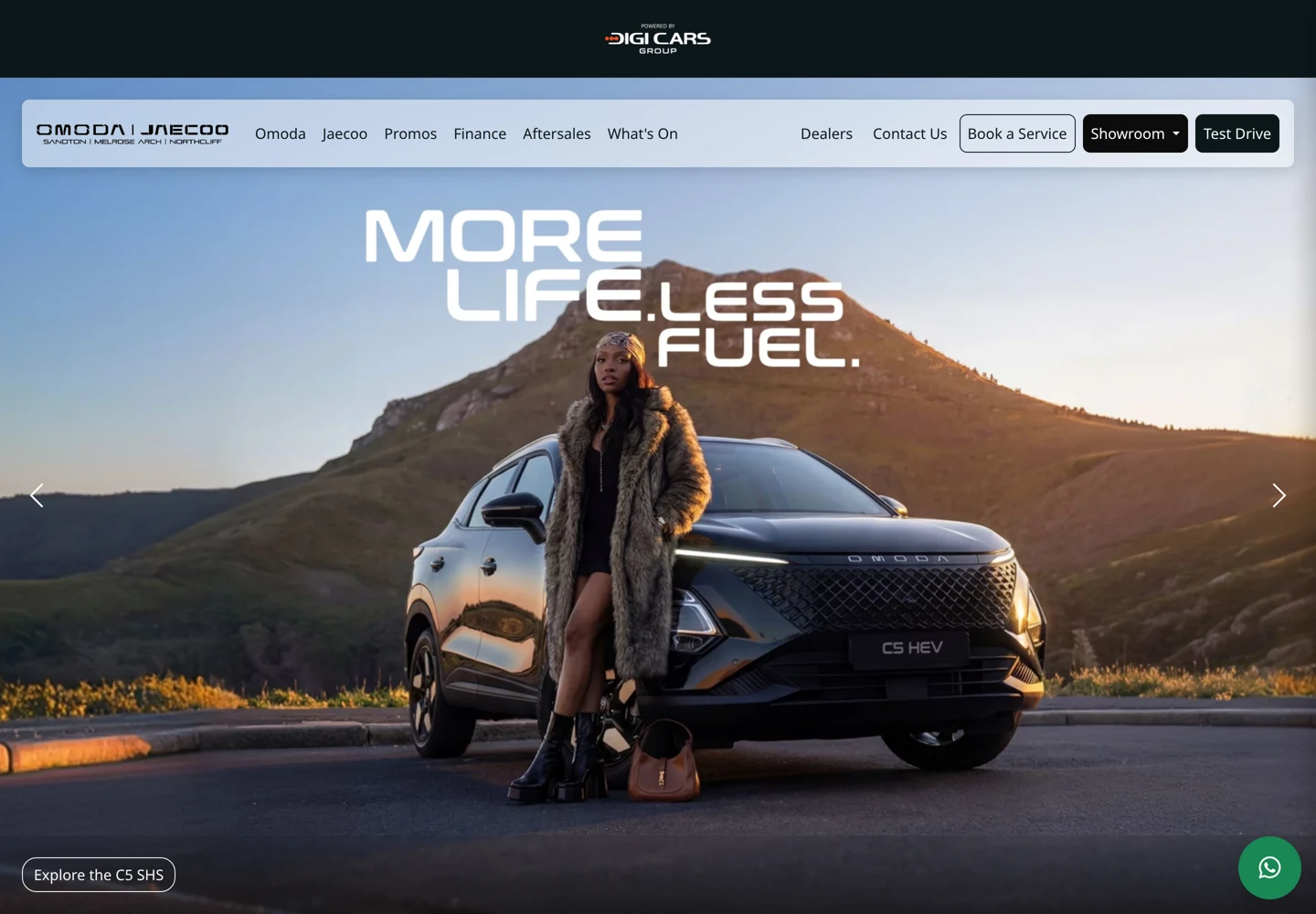
Digicars Group platform
Omoda & Jaecoo Digicars
 App & software
Chery SA
 Website
Chery Australia
 Website
UD Trucks
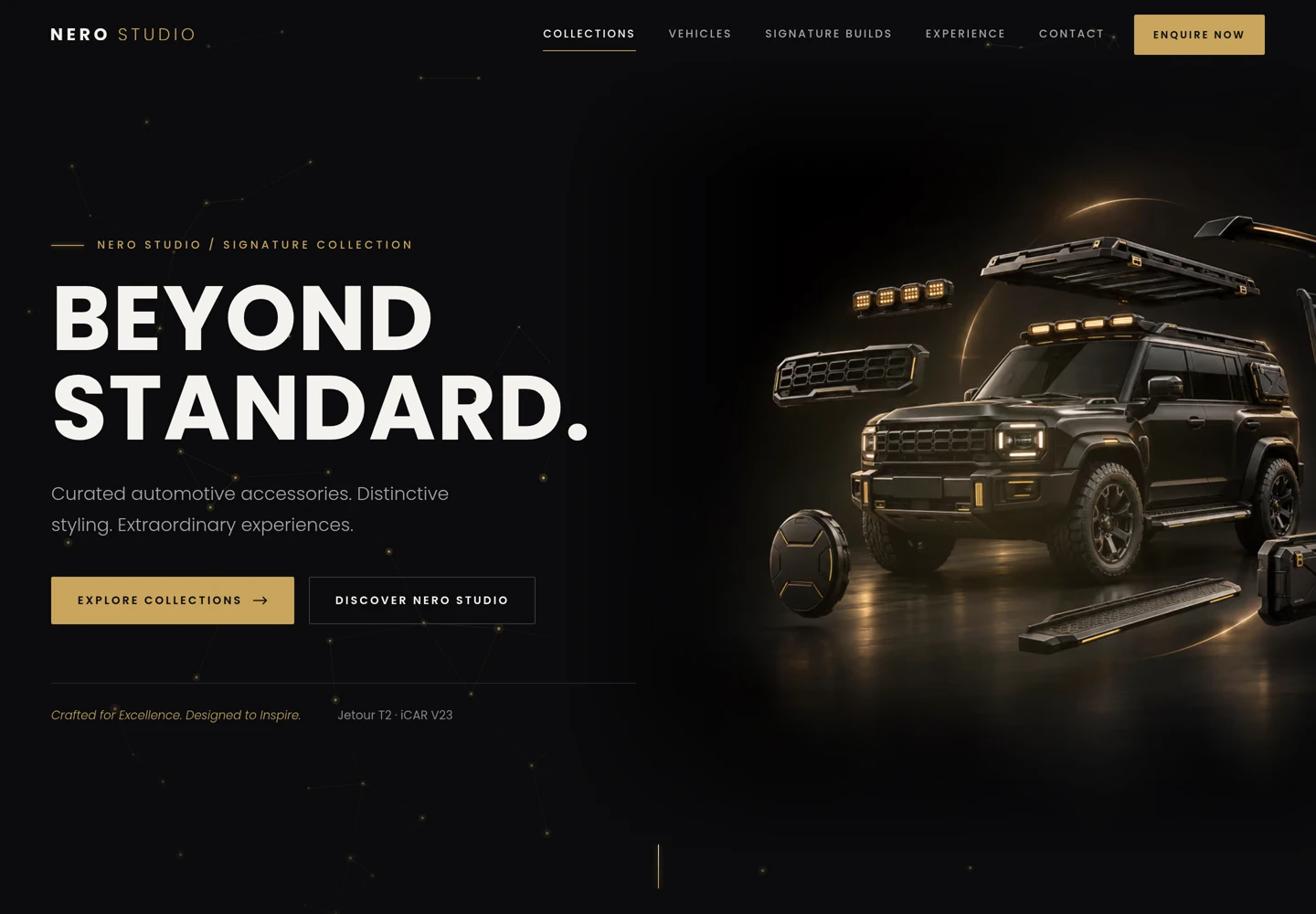
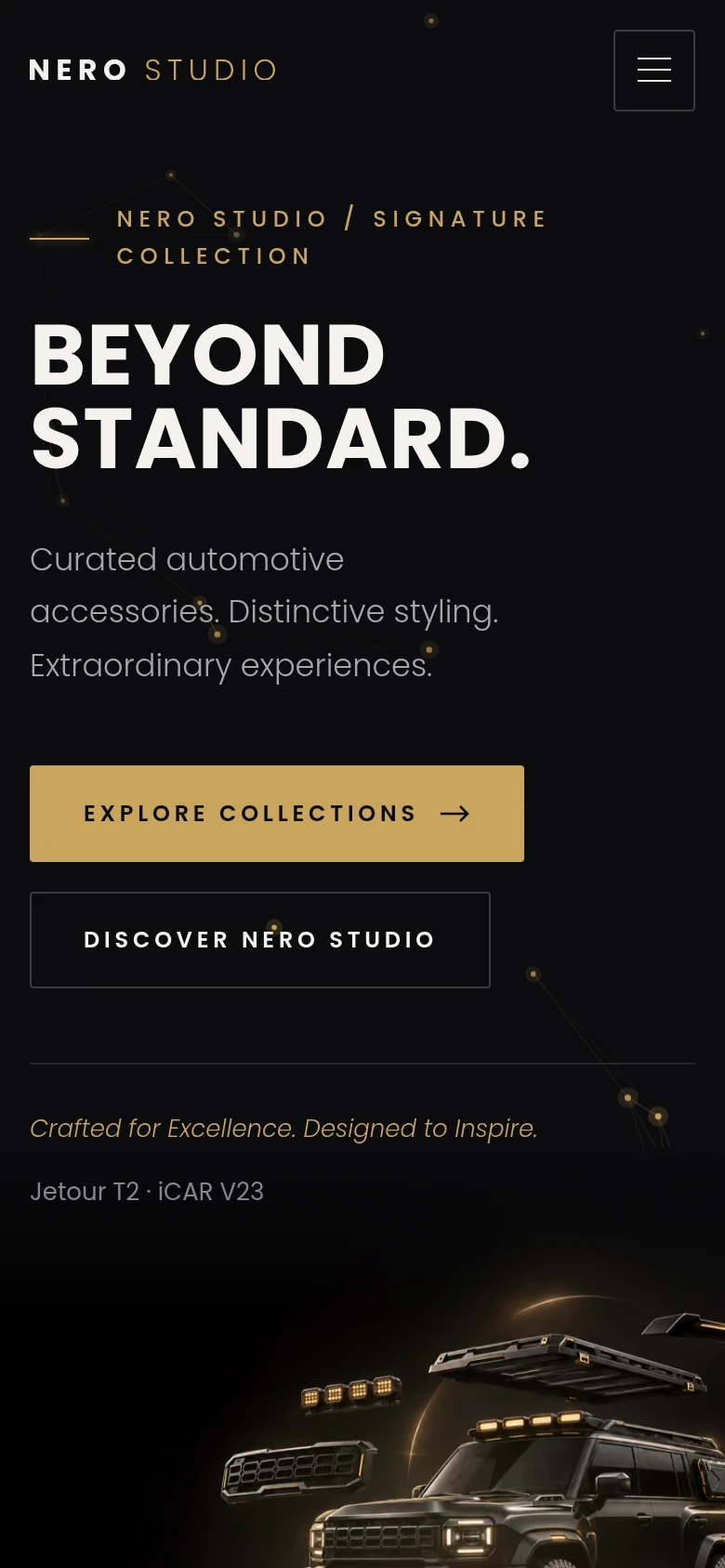
Nero Studio
Questions about automotive websites
A few useful answers before you decide.
Can you take over our existing dealer sites?
Can each dealership keep its own brand?
Do you work within OEM brand guidelines?
How much does a dealer website cost?
Plan your automotive website
Tell us whether it’s a brand site, a dealer site or a group platform, which stock and lead systems you run, and what isn’t working today.
Discuss your automotive website · Price a website · All automotive services
Keep the right things connected.
Digital growth and technology for automotive brands and dealer groups
Websites, marketing, creative and the systems behind them, from model launch to a lead in the right dealership’s CRM, for automotive brands and dealer groups.
Digicars Group — Connected dealership platform
Standardised model pages, different DMS stock feeds and one lead endpoint across the Digicars Group website estate, with the Interceptor lead-routing layer and the Nero Studio accessories …
Chery SA — Application
Mobile product discovery and vehicle ownership screens.
Website design, engineered to launch fast and keep working
Figma design, WordPress built the way developers would build it, and direct support after launch. Websites for SMEs, automotive brands, corporates and agencies since 2013.
Website pricing calculator
Design level, pages, features, hosting and care, priced line by line.
Start a conversation
Tell us what you are working towards. We’ll help you find a practical next step.