
Enterprise Data Orchestration
When the data that runs your operation lives in several systems, several organisations and several spreadsheets, we build the application that brings it together: validated, permissioned and reported in one place.
Discuss Your Requirements
Operational data rarely lives in one place
Large operations accumulate systems. Records arrive from partners, contractors and legacy platforms, each with its own format, and someone stitches them together in spreadsheets before every report. When a number is wrong, nobody can say where it came from.
We build PHP and Laravel applications that take that data in, check it, keep a history of every change and give each organisation, team and role exactly the view it needs.
Every handover needs a way back.
An illustrative planning pattern. Your actual systems and rules determine the implementation.
Normal delivery
- Website or source
- Validate & record
- Map & deliver
- Receiving system
Keep the source reference and make the receiving result visible.
When something fails
- Keep the original event
- Show a pending state
- Retry the same reference
- Review the exception
A lost acknowledgement must not silently become a duplicate record. Assign recovery to an authorised owner.
What we build
- Ingestion from every source. APIs, file imports and scheduled feeds, with validation before anything is accepted.
- A single model of the data. Clear ownership for each record and a full change history.
- Tenant and role boundaries. Each organisation sees its own data. Permissions follow the hierarchy of the business.
- Document workflows. Uploads, approvals and generated documents tied to the right record.
- Recovery built in. Failed imports are queued for review, not silently dropped.
- Reporting people use. Role-specific dashboards and exports instead of Monday-morning spreadsheets.
Work we’ve delivered
Engineering an Enterprise Energy Data Orchestration Platform
Modernising an Automotive Assessment and Quality Assurance Platform


Digicars Group platform
How a data project runs
- Discovery. Every source, every consumer and every rule, mapped with the people who use them.
- Data contract. Which system owns which record, how identifiers match and what happens to bad data.
- MVP. One source and one report working end to end.
- Expand. More sources, roles and reports in measured releases.
- Operate. Monitoring, recovery runbooks and ongoing support.
Questions about data platforms
A few useful answers before you decide.
Can you work with our existing systems?
How do you handle confidential data?
Is this a product or a custom build?
Bring your data together
Tell us which systems are involved and which report causes the most pain today.
Discuss a data platform · Estimate an integration · Enterprise data orchestration explained
Keep the right things connected.
Engineering an Enterprise Energy Data Orchestration Platform
A confidential European energy project connecting operational records, tenant workspaces, permissions, document workflows and reporting in a PHP application.
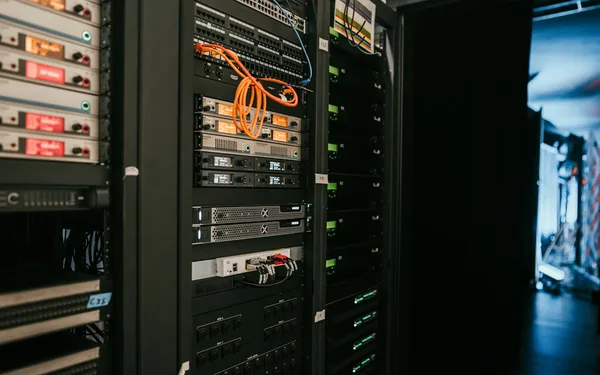
How Enterprise Data Orchestration Works
What turns separate data transfers into an accountable business process? Follow one record through validation, distribution and exception handling.
Custom software built around how your business actually works
Business systems, portals and internal tools scoped feature by feature, built as an MVP first, and supported by the people who wrote them.
Web application pricing calculator
Portals, internal systems, automation and API integrations.
Start a conversation
Tell us what you are working towards. We’ll help you find a practical next step.