Anonymised case study
Connecting Lead Generation for a Financial Services Provider
A confidential acquisition engagement combining paid search, audience segmentation, landing-page development, data capture and email integration.

Explore 51 visual portfolio projects and six anonymised case studies across websites, software, assessment systems, infrastructure and digital acquisition.
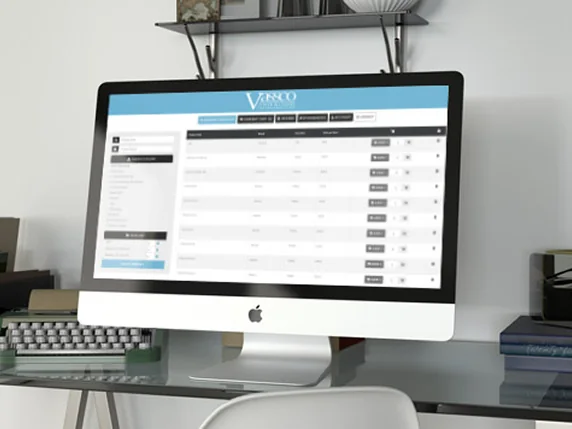 System
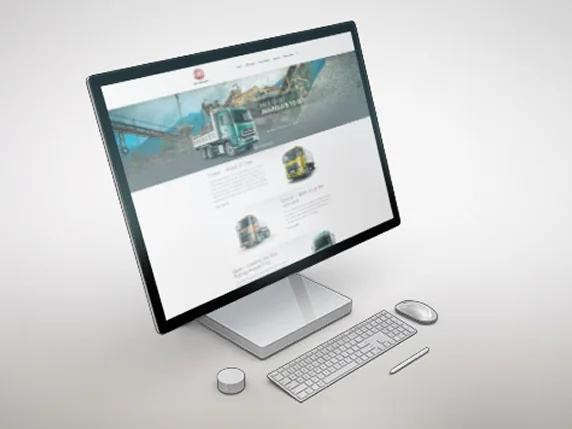 Website
 Branding
 Website
 Design
 Website
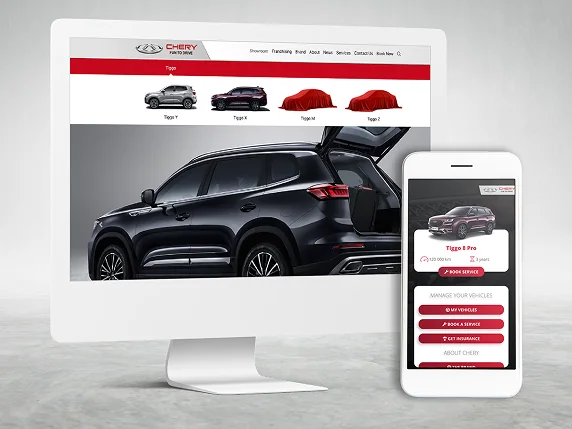 Application
 Website
 Website
 Website
 Website
 Website
 App
 Website
 Website
 Website
 Website
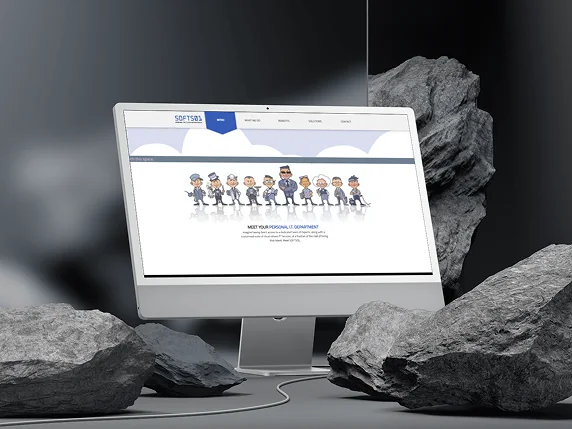 Website
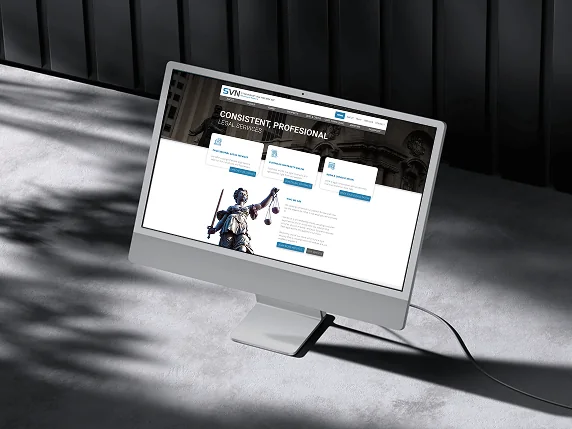 Website
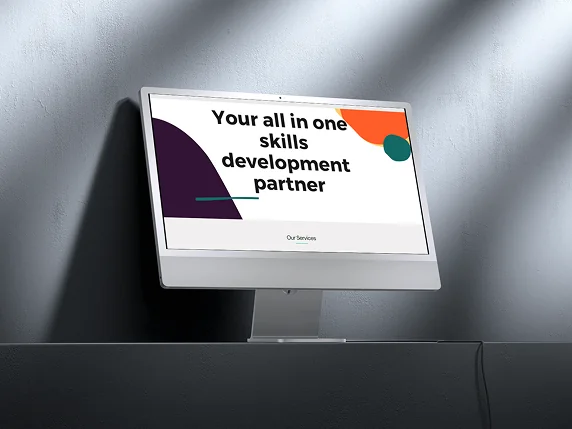 Website
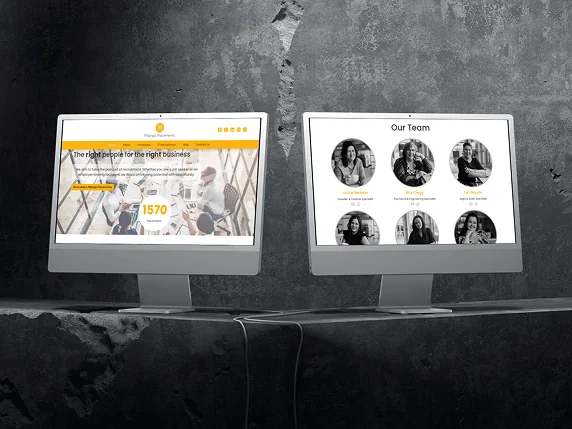 Website
 Website
 Website
 Website
 Website
 Website
 Website
 Software
 Website
 Website
 Website
 Website
 Website
 Website
 Website
 Website
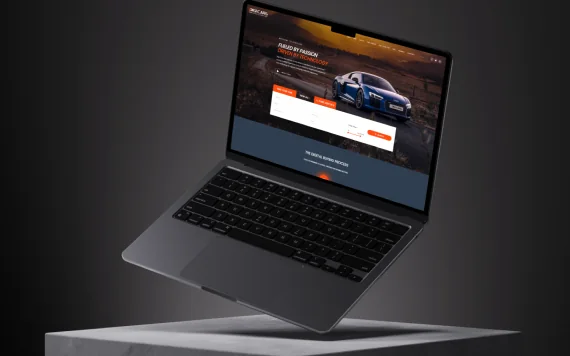 Website
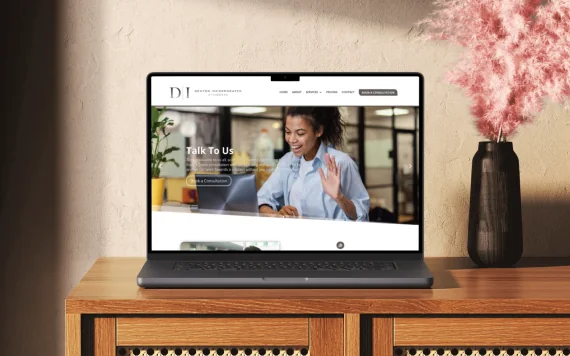 Website
 Design
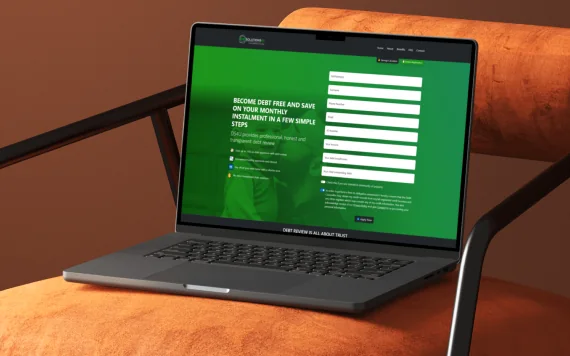 Website
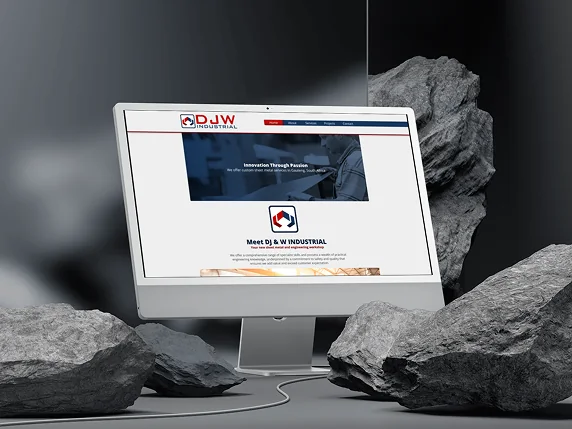 Website
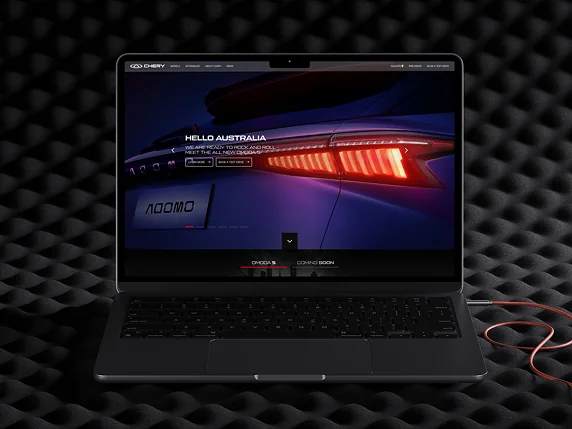 Website
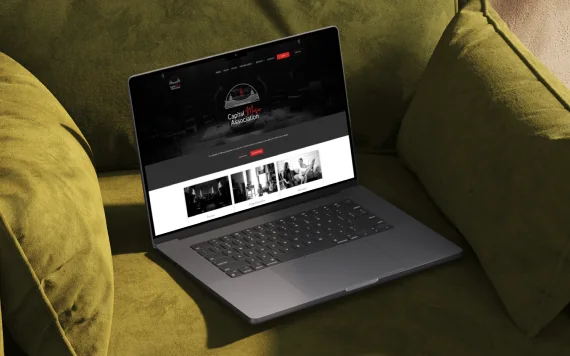 Website
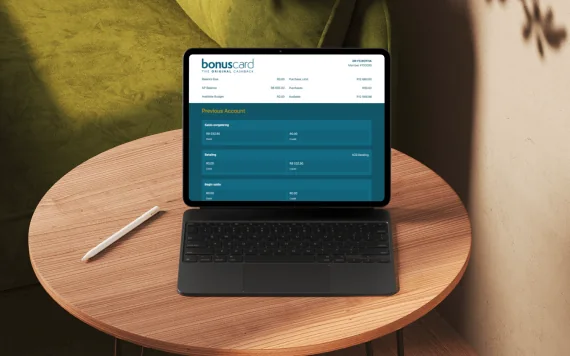 App
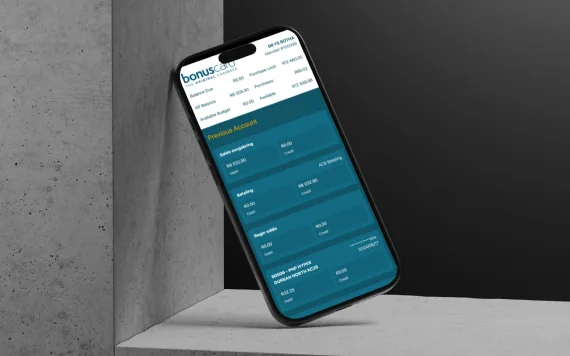 App
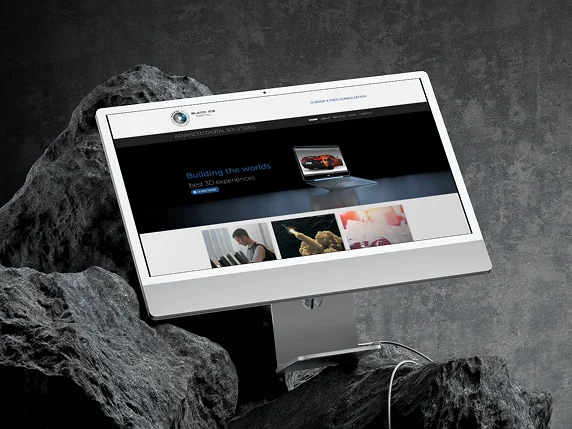 Website
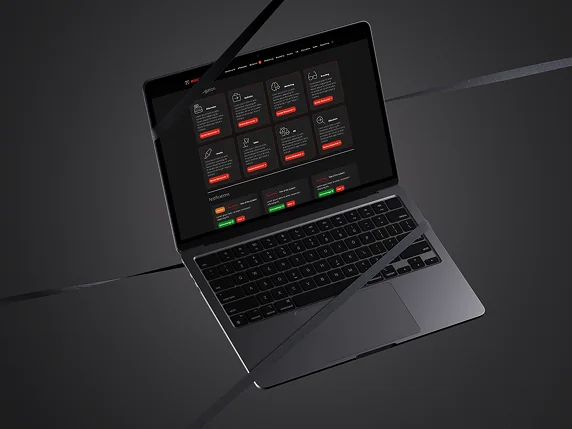 Pitch
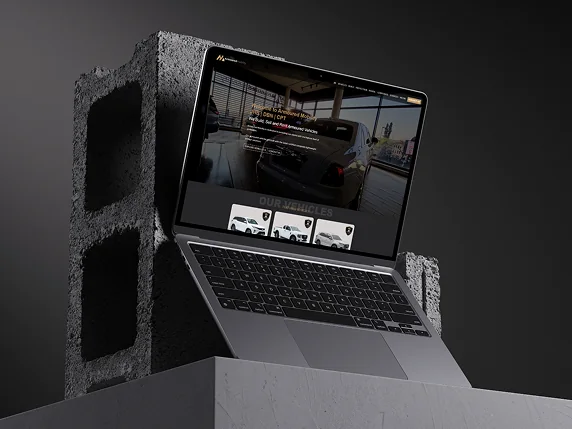 Website
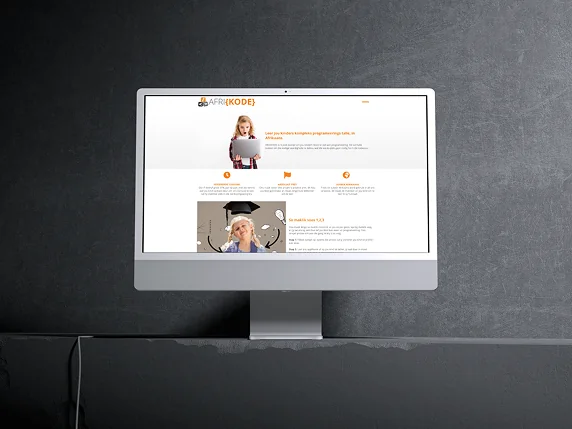 Website
 Website
 Design
Explore the delivered scope behind software, website, infrastructure and acquisition engagements. Customer identities and unverified commercial results are withheld.
A confidential acquisition engagement combining paid search, audience segmentation, landing-page development, data capture and email integration.
A confidential European energy project connecting operational records, tenant workspaces, permissions, document workflows and reporting in a PHP application.
An anonymised automotive application engagement connecting secure access, structured assessments, organisational reporting and controlled participant communications.
A confidential corporate website engagement improving how a transport technology provider presents complex services, technical expertise and international experience.
A confidential CMS modernisation engagement addressing dependency overhead, infrastructure, CDN delivery, structured data and technical validation.
An anonymised strategy and website project connecting audience research, service positioning, information architecture, content and conversion-oriented navigation.
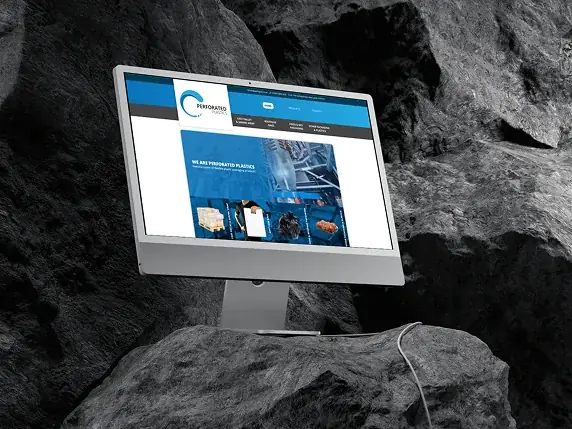
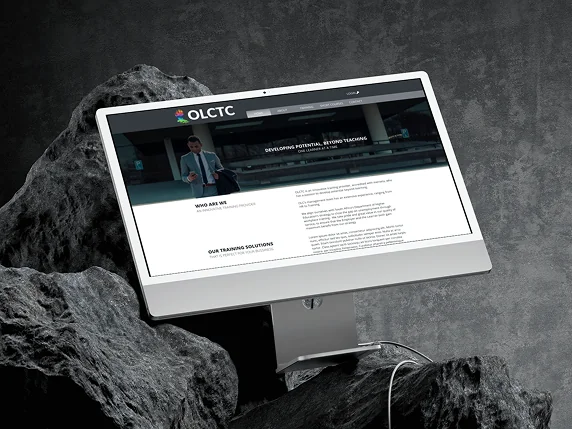
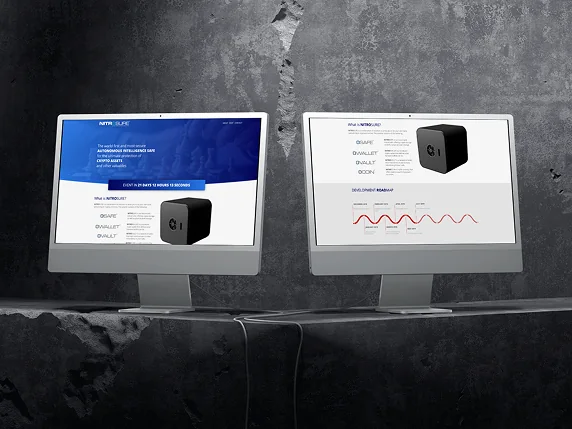
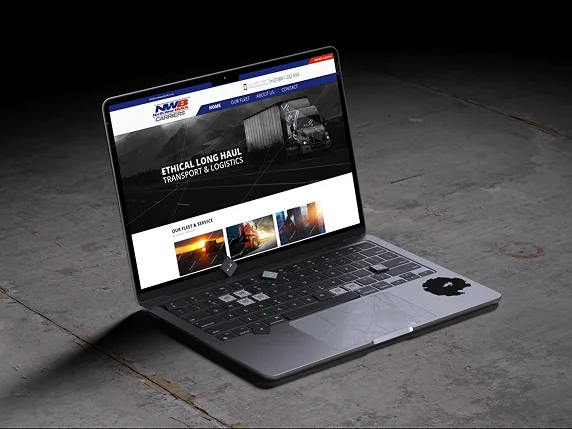
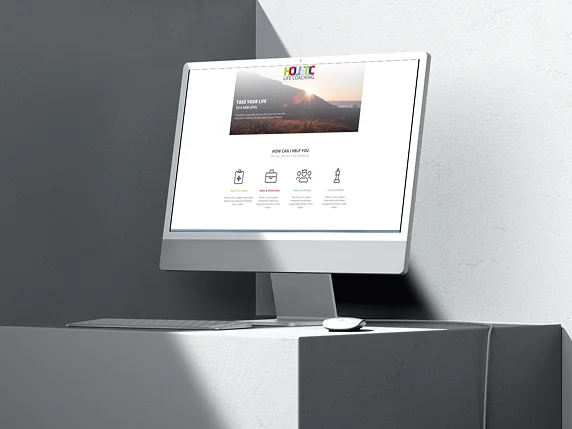
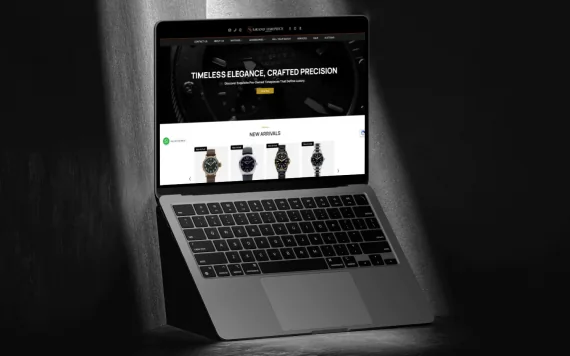
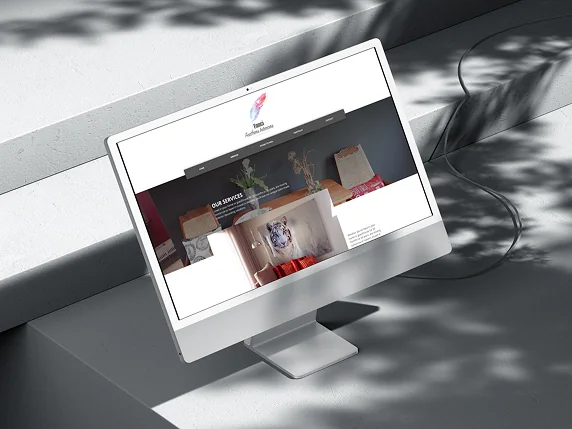
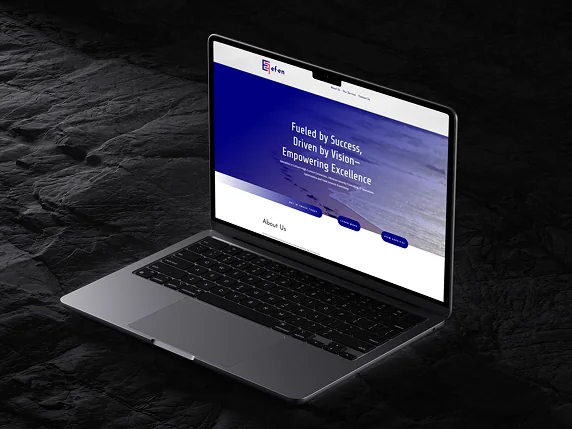
Our collection brings together 51 projects from Webvelopment’s existing portfolio: websites, software, applications, design, branding and a pitch presentation. Open a project to see its cover and all the gallery images available in its record. Filter by the original category, or browse the category guides if you are still deciding where to start.
You do not need to arrive with a design brief. As you browse, look for something that helps explain a need: how information is grouped, how much detail a page carries, or the way a product is presented. A useful reference might come from a different category than the work you are planning.
Keep your own audience in mind. What would someone need to understand before making an enquiry, choosing a product or completing a task? That question gives us more to work with than a preference for a colour or layout alone.
Send us the project link and tell us what caught your attention. “We like this” is a starting point; “we need customers to compare our services before they enquire” gives the reference a purpose. You can also point out parts that would not suit your business.
For example, if a product presentation appeals to you, explain what your customers need to compare, which product information you already have and who will keep it current. For an application reference, describe the task your team needs to complete and where they currently get stuck. These are examples of how to frame a brief, rather than claims about the projects shown here.
Bring any existing website or system link, content, brand material and known deadlines. We can then work through the deliverables, missing material, who needs to approve the work and how you will check it is ready. Each engagement needs its own scope: a gallery shows recorded work, but it does not specify everything your project will require or predict its commercial results.
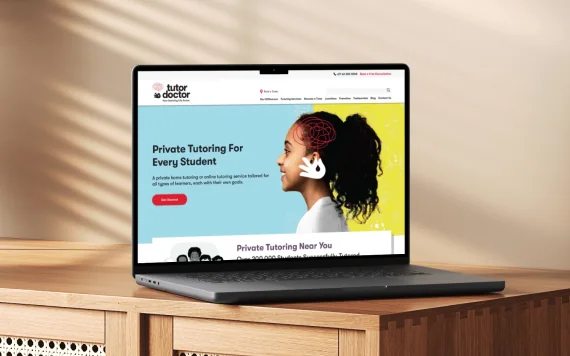
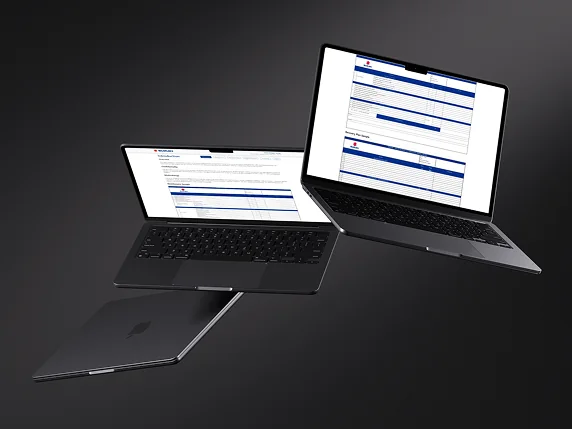
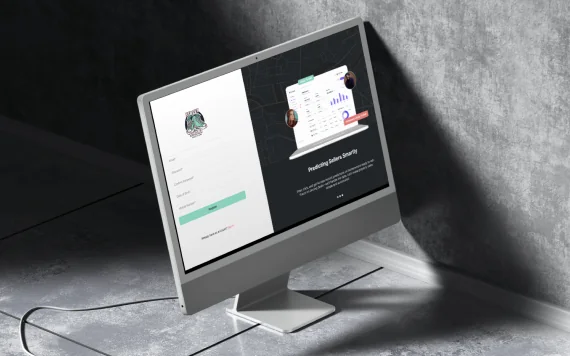
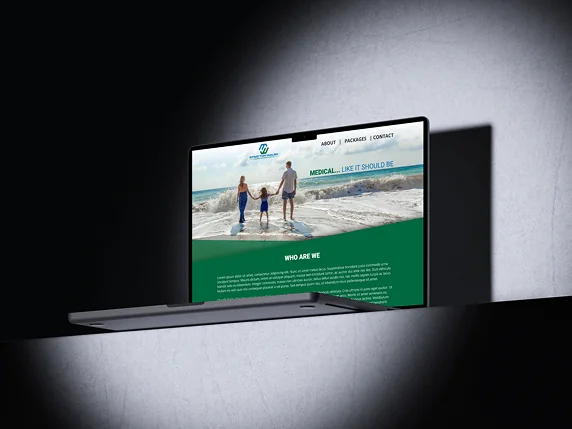
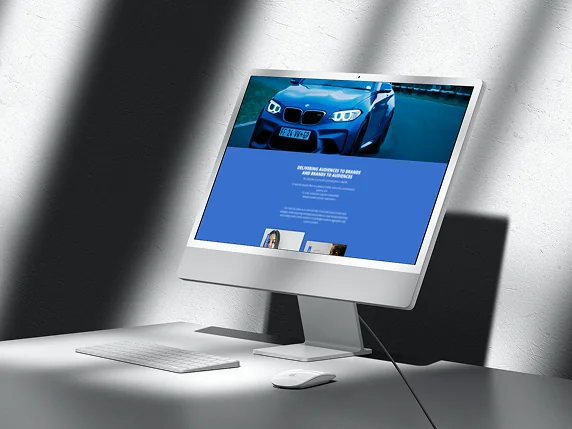
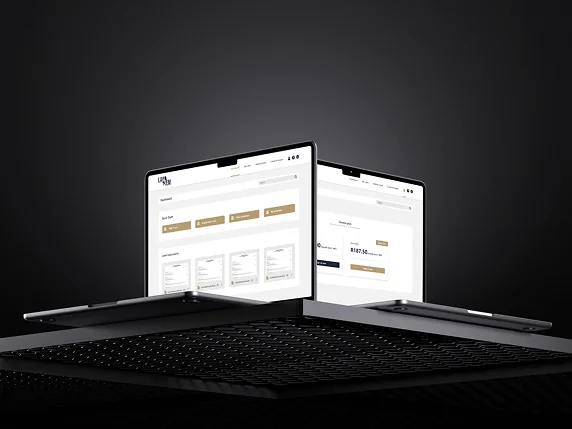
Try Tutor Doctor for a website presentation with four gallery visuals, LawTem – System for software with three, SVN for branding or Chery SA for an application entry. The latter two each have one gallery visual. These starting points give you different amounts and kinds of material to explore; you do not need to review all 51 projects before speaking with us.
The category labels come from the original collection. Use them to find a reference, then ask us about any project context you need. Images alone cannot establish the technology used, the full delivered scope, industries served, operating locations or commercial outcomes.
Tutor Doctor website gallery · LawTem software gallery · SVN branding gallery · Chery SA application gallery · Discuss a reference from the work.
A few useful answers before you decide.
For more context on delivered scope, explore the six anonymised case studies covering enterprise data orchestration, assessment applications, corporate websites, acquisition and infrastructure. Select the case-study filter to browse them separately from the 51 historical, image-led portfolio entries.
These accounts withhold customer identities and unverified numerical outcomes. Read them for the work described and how it relates to your needs; do not assume an anonymised account belongs to a named gallery project. If a detail matters to your brief, bring it into the conversation so we can confirm what is supported and relevant.
Tell us what you are working towards. We’ll help you find a practical next step.