
Website Design in South Africa
Create a South African business website around approved service information, clear enquiry journeys and responsive page layouts your team can review and maintain.
Let’s talk
Make the business offer easy to follow
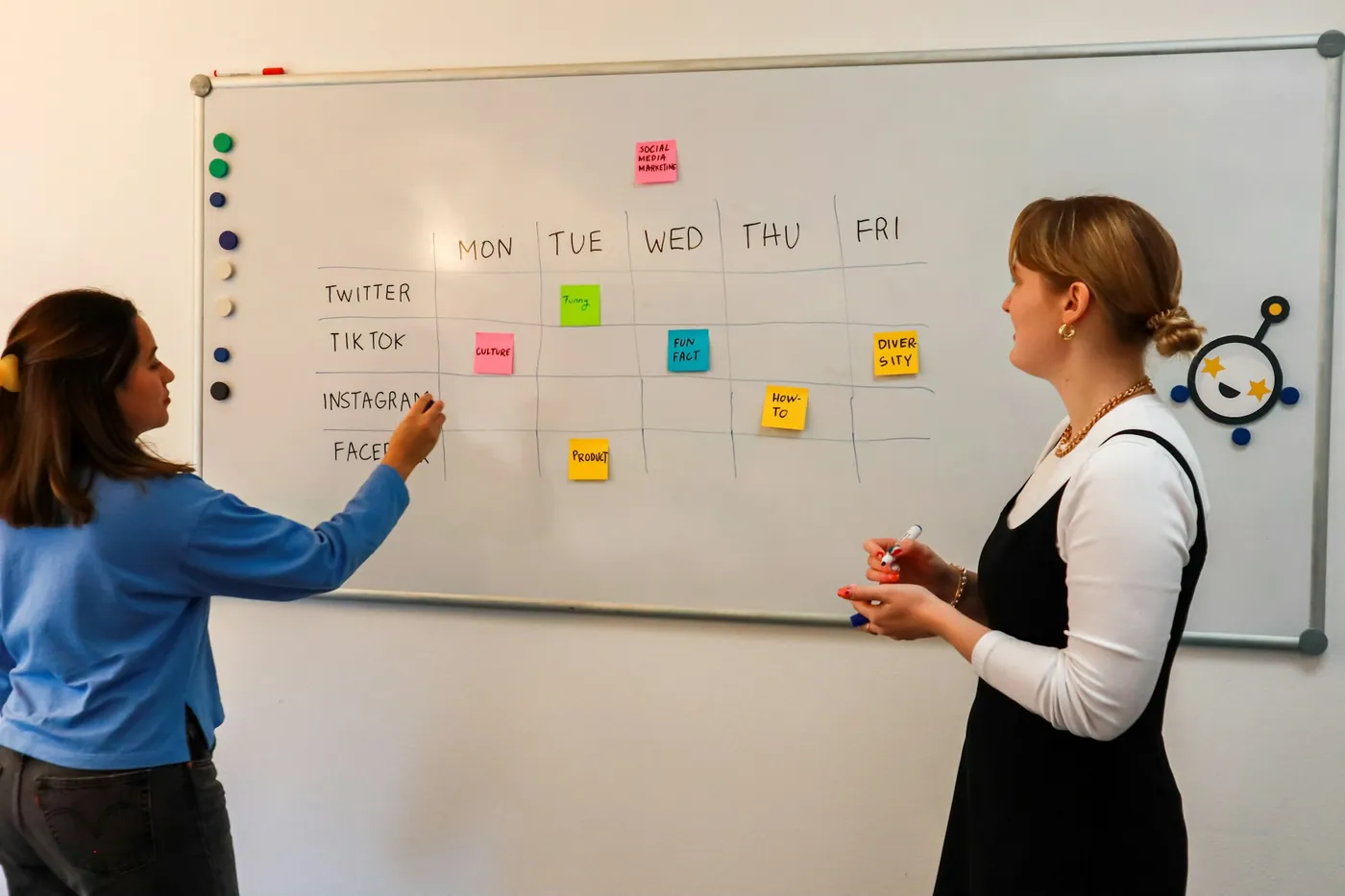
Your website needs to help someone decide whether you offer what they need and how to ask about it. We bring your service information and visual design together so visitors can find those answers on a phone or a larger screen. A local enquiry, a national project and an existing-customer request may need different contact routes, even when they share one website.
Before designing the homepage, we work through what each audience needs to know. That gives the page structure and original visual direction a purpose: showing the right information at the point where a visitor needs it, with a clear next action.
Bring content into the design early
Bring your service facts, contact details, logo and any brand guidelines, along with copy and images you already have permission to use. Material does not need to be polished to reveal a gap: an old service brochure may help explain the offer, while showing us which details you still need to confirm. We identify missing copy, imagery and evidence together. Photography, copywriting and additional brand work can be scoped where needed.
Design deliverables can include a page map, wireframes, visual concepts, reusable components and responsive layouts for the agreed pages. Choose them around the decisions you need to make. Wireframes help settle the order of information; visual concepts help settle the look and feel. Development, forms and publishing configuration are defined in the proposal, because design files still need to be built into a working website.
Review the pages people will actually use
Look beyond the desktop homepage. Try a representative service page, the navigation, contact route and mobile layout with realistic copy. Can a visitor find coverage details without hunting? Does a longer service name still fit? Check image crops and, where an interaction is included, what someone sees when information is missing or an error occurs.
For a replacement site, bring the old URLs and material customers still use. A familiar document or contact page may matter more than its appearance suggests. Before launch, confirm who receives enquiries and who will edit the site. Offices, service coverage and testimonials should reflect what your business can verify.
Check the service promise before approving the page
- State which work you accept and where you can provide it, including any limits a customer needs to know before enquiring.
- Confirm who receives each enquiry type and make the contact choices easy for a visitor to distinguish.
- Review service copy and a representative mobile page together, so content problems are resolved before the same layout is used across more pages.
Common questions
A few useful answers before you decide.
Can we use our current visual identity?
Can we start with a smaller set of pages?
Yes. Start with enough pages to explain your offer and support the main customer action. A smaller site can work well when visitors can still understand the service, check whether it suits them and contact you. Keep unfinished destinations out of the first release’s menu.
The global website design service describes the wider approach. Discuss your South African website with the audience, current URL and the main action the new site should support.
Review the site through a customer decision
For example, imagine a visitor comparing a local service with a provider that also accepts national projects. They need to know whether you cover their area, what work you take on and what to include in an enquiry. Follow that visitor from navigation to the service page and then to contact. If coverage is only mentioned in a homepage banner, someone arriving directly on the service page could miss it. Putting that detail beside the service description may answer their question sooner.
Use your own material in this review: a genuine project image, existing service notes or a document customers often request. It becomes easier to see which content belongs on the page and which needs a separate link. We can then assess what to retain and where new copy or imagery would help. This is an illustrative review exercise; the right structure depends on your offer.
Agree representative pages before refining every detail. A service page and contact route can reveal needs that a homepage review misses. Reusable design components can keep the wider site consistent, while allowing a service explanation and an enquiry page to do different jobs.
More questions for a local website design brief
A few useful answers before you decide.
Do we need a separate page for every service?
What if our imagery is limited?
How do you prevent a redesign losing familiar information?
Who decides whether a design revision is necessary?
Can the site show national service coverage?
What should be ready before the launch date is agreed?
Prepare your next conversation
Bring your current website, verified service coverage and one page that leaves customers with questions. Tell us what visitors should be able to decide after reading it. We can use that to define the design and content work for a manageable first release.
Plan a focused first business website · Clarify local service copy
Keep the right things connected.
Website Design
Create a responsive business website design around a clear offer, useful content, consistent page layouts and a practical customer and publishing journey.
Contact Webvelopment About a South African Project
Discuss a South African website, software, eCommerce, marketing or creative brief with Webvelopment, including goals, current tools and the people reviewing delivery.
Start a conversation
Tell us what you are working towards. We’ll help you find a practical next step.